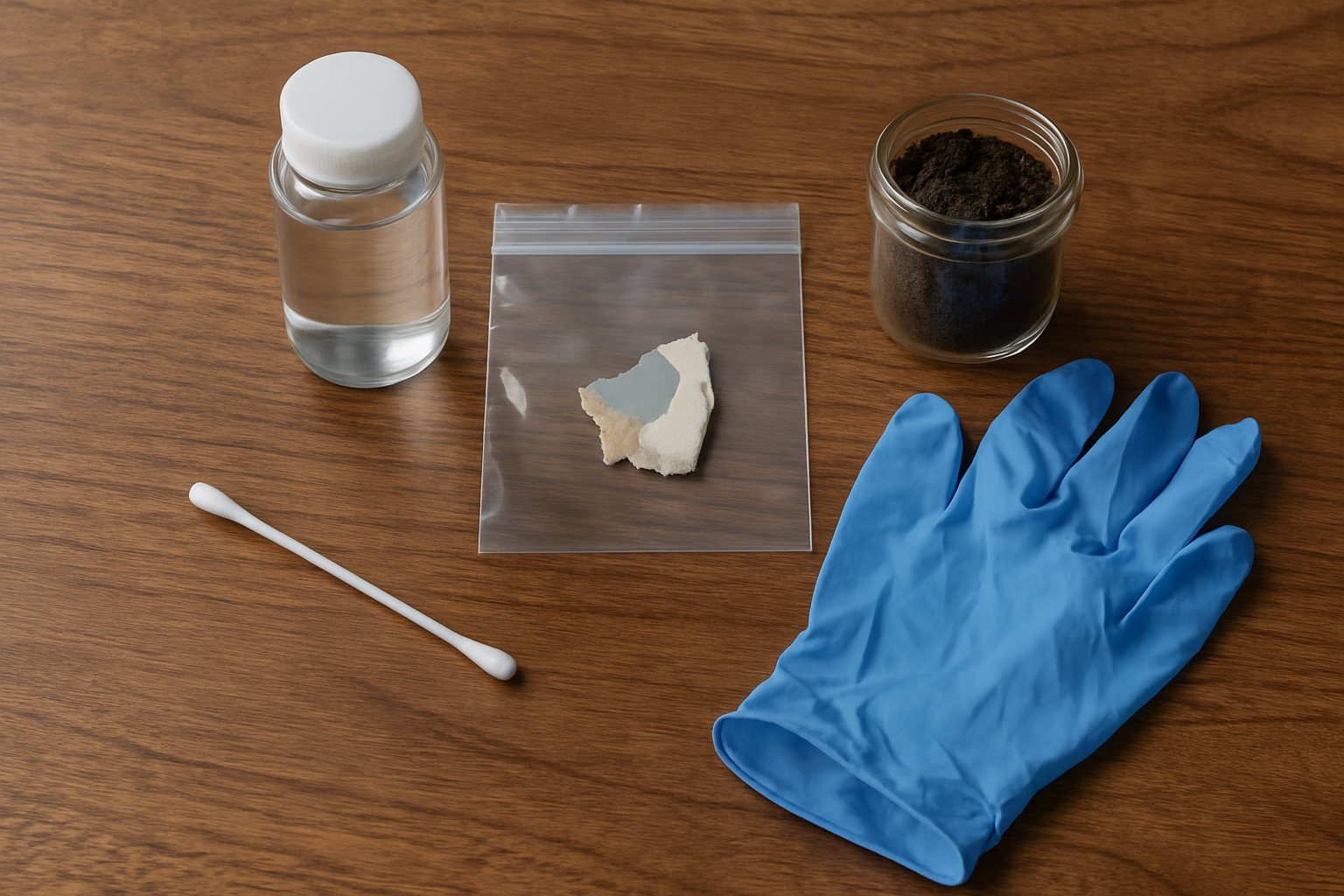
The right lead test depends on what you want to check and why. A paint swab, a water sample, a dust wipe, a soil sample and a blood test each answer a different question, so start by telling the tool what you are worried about.
In short: answer a few questions and the tool suggests a home kit, a mail-in lab test, a certified professional or a doctor, with links to each. It is educational guidance to help you choose, not a test itself.
How to use the test picker
- Pick what you want to check: paint, drinking water, household dust, soil, dishes or other products, or a person.
- Say why you are testing: curiosity or peace of mind, a renovation, buying or renting a home, a child’s blood test result, or a notice from your water utility.
- Add a few details, such as when your home was built and whether children under 6 or a pregnant person live there.
- Read the suggestion and follow the links to the guide, lab or professional that fits.
How to read the suggestion
The tool sorts lead tests into four kinds. Here is what each one can and cannot tell you.
| Kind of test | Good for | Limits |
|---|---|---|
| Home kit (swab or strip) | A quick first look at a paint surface or a water sample | Usually yes/no or a rough range; not a lab result; results depend on the surface and how you use it |
| Mail-in lab test | A measured amount of lead in water, a paint chip, a dust wipe or soil | Only as good as the sample you collect; water must go to a lab certified for drinking water |
| Certified inspector or risk assessor | Finding lead paint and lead hazards across a whole home, with a formal report | Costs more; book through a certified firm |
| Blood lead test | Finding out whether a person has been exposed to lead | Ordered by a doctor or health department, not done at home |
For paint, EPA recognizes three swab kits (LeadCheck, D-Lead and the State of Massachusetts kit) when they are used by a certified renovator, and only on certain surfaces: LeadCheck and D-Lead on wood, iron-containing metal, drywall and plaster, and the Massachusetts kit on drywall and plaster only. EPA’s recognition covers showing that regulated lead paint is not present; a swab cannot tell you how much lead the paint has. See lead test kits for what each kit is documented to test.
For water, EPA says testing is the only sure way to know whether there is lead in your tap water and that a list of certified labs is available from your state or local drinking water authority. EPA puts the typical cost of a test at $20 to $100. Many water utilities also offer testing, so call yours first.
For dishes, toys and other products, home kits are a poor fit. A CPSC staff study found home lead test kits unreliable for consumer products, with many false negatives. A lab test is the reliable option.
Home kit vs lab test vs professional
If you are simply curious about one painted surface, a recognized swab is a reasonable start. If you need a number, choose a lab test. If you are buying, renting out or renovating an older home, or a child has an elevated blood lead level, a certified inspector or risk assessor is the right call, because they test the whole home and write a report you can act on. Our comparison of home lead tests vs lab testing goes through the trade-offs in detail.
Official references
- EPA, Lead Test Kits (the three recognized paint kits and their surfaces)
- EPA, Basic Information about Lead in Drinking Water (testing, certified labs, cost)
- CPSC, CPSC Staff Study: Home Lead Test Kits Unreliable
- Code of Federal Regulations, 40 CFR Part 745 (lead paint inspections, risk assessments and recognized labs)
Limitations
The test picker gives general guidance based on your answers and federal guidance. It does not test anything, it does not know your home, and it is not a formal risk assessment. State and local rules can require specific tests, for example when a child has an elevated blood lead level or for rental housing; your health department can tell you what applies where you live. It never gives medical advice: questions about a person’s health belong with a doctor.
Frequently asked questions
How do I test for lead in my house?
Start with what worries you most. Peeling paint in a pre-1978 home points to a paint and dust test; old plumbing points to a water test; a bare yard where children play points to a soil test. For a full picture, a certified risk assessor checks paint, dust and soil together.
Is a lead test kit as good as a lab test?
No. A kit gives a quick yes/no or a rough range. A lab measures the amount of lead. A kit can be a useful first look, but if a decision depends on the answer, use a lab or a professional.
Can I use a paint swab to test my water or my dishes?
No. Each test is made for one kind of sample. Use a water test for water, and a lab test for dishes and other products.
How do I find out if my child has lead poisoning?
Only a blood lead test can tell. Ask your child’s doctor or your local health department. See blood lead test and lead poisoning.
Where to go next
- Lead test kits: what each kit tests and its limits
- Home lead test vs lab testing
- Lead testing labs: EPA-recognized labs by state
- Find a lead professional: certified inspectors and risk assessors
- All free lead tools