This article contains affiliate links: if you buy through them we may earn a commission, at no extra cost to you. Read our affiliate disclosure.
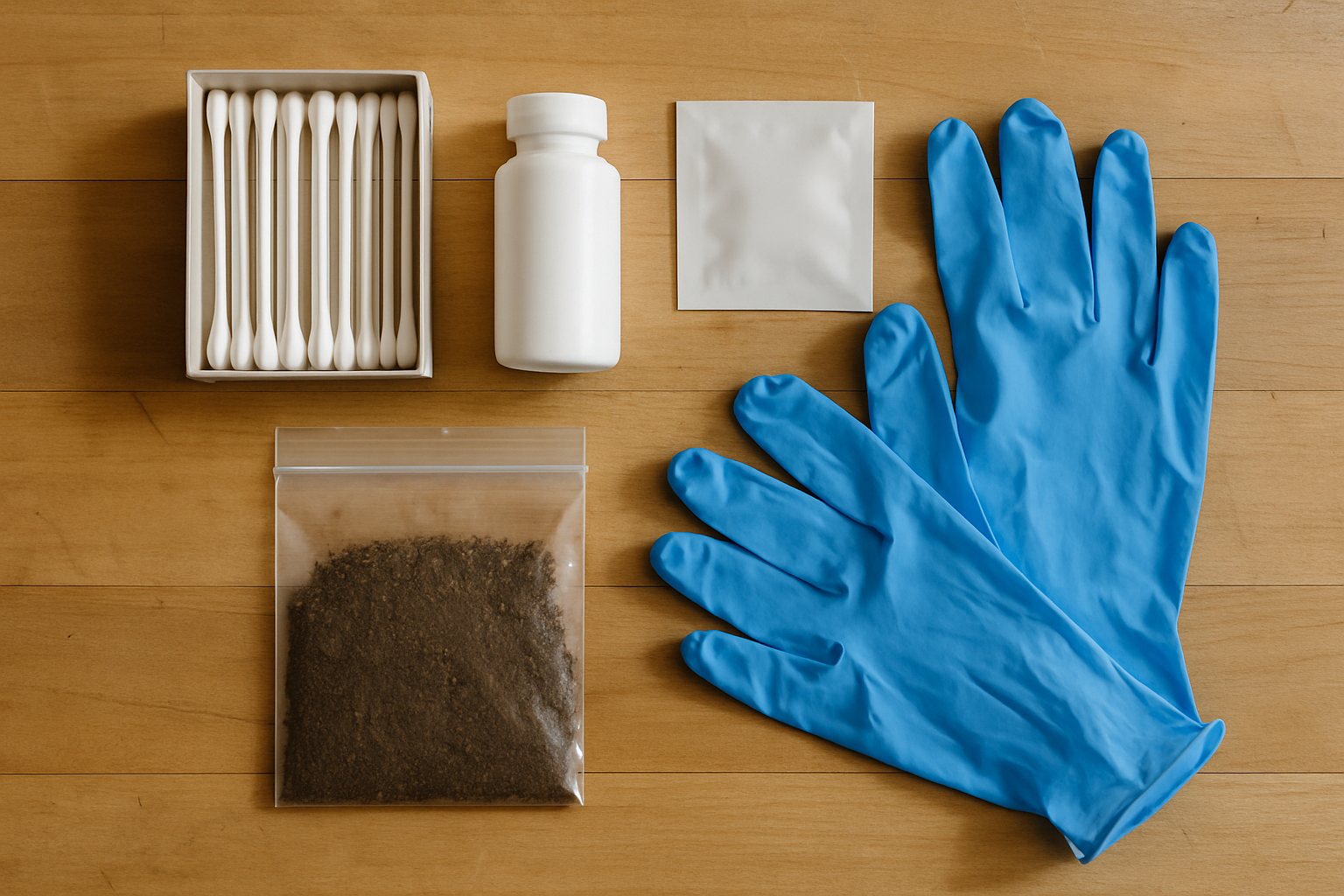
A lead test kit is only as good as the job it was designed for: paint swabs screen painted surfaces, water kits screen tap water, and mail-in kits send your sample to a laboratory for a measured result. Pick the kit that matches what you want to test, and treat any instant result as a first look rather than a final answer.
In short: for paint, EPA recognizes only three swab kits, and only for certain surfaces: LeadCheck and D-Lead on wood, ferrous metal, drywall and plaster, and the Massachusetts kit on drywall and plaster. For water, home kits give a range, while a certified lab gives a number in parts per billion. For dust and soil, the reliable route is a sample sent to a lab. None of these kits replaces a certified inspection or a blood lead test.
Types of lead test kits
| Kit type | What it can tell you | What it cannot tell you |
|---|---|---|
| Paint swabs | Whether a painted surface reacts to lead, in seconds to minutes | How much lead; whether paint is lead-based by the legal definition; anything about water, dust or dishes |
| Water strips and color kits | A rough range of lead in a water sample | A precise, certified result |
| Mail-in water lab kits | A measured lead level (ppb or µg/L) from a lab | Your exposure over time from one sample; lead in paint or dust |
| Dust wipe kits | Lead on a floor or window sill, measured by a lab | Where the lead came from; whether paint is lead-based |
| Soil kits | Lead concentration in yard or garden soil, measured by a lab | Whether the soil is a hazard under your state’s rules without a risk assessor |
Keep the methods separate. A paint swab is not a water test, and a water kit is not for pottery. Swab kits sold for “dishes, toys and jewelry” are not on EPA’s recognized list, which covers building surfaces only. For dishes, toys and spices, see lead in household items.
Lead paint swab kits and EPA recognition
Under its Renovation, Repair and Painting (RRP) rule, EPA lets a certified renovator use a recognized test kit to decide that paint is not lead-based. EPA’s list is short:
| Kit | Maker | Surfaces EPA recognizes it for |
|---|---|---|
| LeadCheck | Luxfer Magtech (formerly 3M) | Wood, ferrous metal (iron-containing alloys), drywall and plaster |
| D-Lead | ESCA Tech, Inc. | Wood, ferrous metal, drywall and plaster |
| Massachusetts kit | State of Massachusetts | Drywall and plaster only; not wood or ferrous metal |
Many people still search for “3M LeadCheck.” EPA says 3M suspended production in October 2023 and sold the LeadCheck formulation and trademarks to Luxfer Magtech in September 2024; EPA recognizes LeadCheck made by Luxfer Magtech, and 3M kits already bought can be used until they expire. LeadCheck swabs turn red when they detect lead.
Two limits matter. First, EPA recognized these kits because a negative result is dependable on those surfaces; EPA says no kit has yet met its separate goal for avoiding false positives, so a red swab can be wrong. Second, a swab cannot tell you the amount of lead. Federal rules define lead-based paint as at least 1.0 mg/cm² or 0.5% by weight, and only a lab or a certified inspector’s XRF reading measures that. Compare kits in best lead paint test kits, and read lead paint testing for the bigger picture.
Lead water test kits
Water kits fall into two groups. Instant kits and strips change color and give a range. Mail-in kits send a sample to a laboratory, which reports a measured result. EPA notes that certified lab tests typically cost $20 to $100, and many water utilities test on request, so call yours before you buy anything. Private well owners should use a lab certified for drinking water.
Whatever the kit, how you collect the sample matters. A first-draw sample after at least six hours without use catches the water that sat in your pipes. See lead in water testing and best lead water test kits.
Dust wipe and soil kits
Lead dust is invisible, so dust is tested by wiping a measured area and sending the wipe to a lab. In late 2024 EPA lowered its dust standards for pre-1978 housing: any amount a recognized lab can report now counts as a dust-lead hazard. For soil, EPA says the best method is to send samples to a qualified laboratory; home soil kits are mail-in kits, and state university extension offices and some health departments also test soil. EPA’s National Lead Laboratory Accreditation Program (NLLAP) lists labs recognized for paint chips, dust and soil. More in lead dust and soil testing.
How to choose a lead test kit
- Match the kit to the material. Paint, water, dust and soil each need their own kit.
- For paint, check EPA’s list and the surface. LeadCheck or D-Lead for wood, ferrous metal, drywall and plaster; the Massachusetts kit for drywall and plaster.
- Decide whether you need a number. If yes, choose a mail-in kit or a lab directly.
- Check the expiration date. Swab reagents age, and EPA’s own note on 3M kits ties their use to expiration dates.
- Know when to call a professional. Before buying or renovating a pre-1978 home, or when children live there, book a certified inspector or risk assessor through find a lead professional.
For an honest look at where home kits fall short, read home lead test vs lab testing.
Lead test kits you can buy
All three were in stock on Amazon when checked in October 2026. Prices change often. LeadCheck is EPA-recognized for the surfaces named above. The Safe Home and Tap Score kits test water; the specs below are what the makers state.
LeadCheck Swabs, 2-Swab Blister Pack
- Wood, ferrous metal, drywall and plaster
- Red means lead; about 30 seconds
- About $15, seen October 2026
Safe Home DIY Lead in Drinking Water Combo Test Kit
- Result ranges 0-4, 5-15, 15+ ppb (maker)
- Mail-in lab kit included, fee extra
- About $20, seen October 2026
Tap Score Advanced Home Water Test Kit
- Mail-in lab test, 116 analytes incl. lead
- City or well water; prepaid return label
- About $269, seen October 2026
A kit can tell you about your home. It cannot tell you about a person. If you think someone has been exposed to lead, ask a doctor or your local health department about a blood lead test, and see lead and health. For a possible poisoning, call Poison Help at 1-800-222-1222.
Lead test kit FAQ
Is 3M LeadCheck still sold?
3M stopped making it in October 2023 and sold the product to Luxfer Magtech in September 2024. EPA recognizes LeadCheck made by Luxfer Magtech, and older 3M swabs can be used until their expiration date.
Which lead test kits does EPA recognize?
LeadCheck and D-Lead for wood, ferrous metal, drywall and plaster, and the State of Massachusetts kit for drywall and plaster only. Recognition applies to use by certified renovators under the RRP rule.
Can I use a lead paint swab on dishes or toys?
Some kits are sold for that, but EPA’s recognition covers building surfaces only. A swab reaches only the outer surface of a glazed item, as one kit maker notes. For items you are worried about, see lead in household items.
Are lead check swabs accurate?
On the surfaces EPA lists, a negative LeadCheck or D-Lead result is dependable enough for a certified renovator to rely on. A positive result may be a false positive, and no swab measures how much lead is present.
Do I need a lab test if my swab result is negative?
On a surface EPA lists for that kit, a negative result is a reasonable sign the paint is not lead-based. On other surfaces, on paint with many layers, or before a purchase or renovation, confirm with a paint chip lab test or a certified inspector.
What kit should I use for well water?
Use a laboratory certified for drinking water. Your state certification office or local health department can name one, and some health departments test wells for free. A home strip can be a first screen while you wait.
Worried someone has been exposed to lead?
Testing your home finds the source; only a blood lead test shows whether a person has lead in their body. Here is how to get tested, and what the numbers mean.
How to test for lead poisoningBlood lead levels explainedLead screening for childrenTesting for adultsSymptoms