Planning repairs, painting or new windows in an older home? Answer eight questions to find out whether EPA’s lead-safe renovation rule applies to your project, who should do the work, and what should happen before, during and after it.
In short: when someone is paid to disturb paint in a home or child care building built before 1978, EPA’s Renovation, Repair and Painting (RRP) rule requires a lead-safe certified firm and lead-safe work practices. This planner is guidance, not legal advice, and it does not give instructions for removing lead paint yourself.
What the planner checks
- The building’s age and type. The rule covers housing built before 1978 and child-occupied facilities such as day care centers and preschools. Housing for the elderly or people with disabilities and zero-bedroom units are excluded unless a child under 6 lives there.
- Who does the work. The rule covers anyone paid to do it, including landlords and property managers. Owners working on the home they live in are not covered, though EPA strongly recommends lead-safe practices.
- How much paint is disturbed. Minor repair and maintenance is exempt: 6 square feet or less of painted surface per room inside, or 20 square feet or less outside. Window replacement and demolition of painted surfaces are always covered.
- Testing. If a certified inspector, risk assessor or renovator has documented that the paint is not lead-based paint, the rule’s work practices are not required for that paint.
- Your state. Fifteen states run their own renovation programs and certify firms themselves; elsewhere EPA does.
What a certified firm does on the job
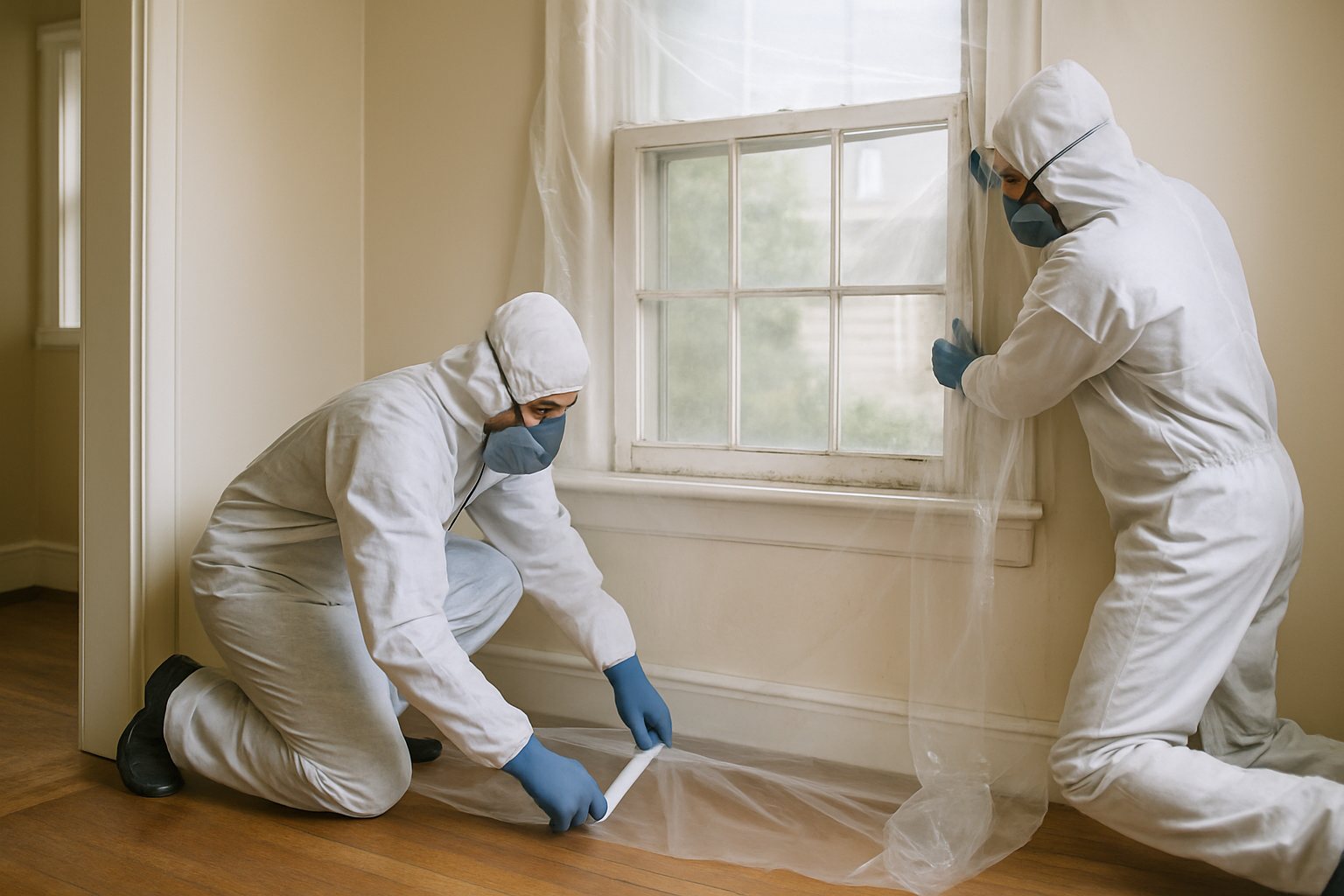
A legal job needs a certified firm and a certified renovator assigned to it. Before work starts, the firm gives you EPA’s Renovate Right pamphlet. During the work it posts warning signs, contains the work area with plastic sheeting, avoids prohibited practices such as open-flame burning and power sanding without HEPA controls, and contains waste. Afterward it cleans with HEPA vacuums and wet wiping and checks the work with EPA’s cleaning verification procedure. Our guide to the RRP rule explains every step.
Cleaning verification is not the same as a lead test. If young children or a pregnant person live in the home, ask a certified inspector or risk assessor about dust wipe testing before they move back in. See lead dust testing.
Frequently asked questions
Can I split a big job into small ones to stay under 6 square feet?
No. Jobs in the same room within the same 30 days count as one job.
How do I check a contractor’s certification?
Ask for the firm certificate and the certified renovator’s certificate, then check the firm on EPA’s firm locator or, in states with their own programs, with the state. You can also call the National Lead Information Center at 1-800-424-LEAD. Our professional finder lists certified firms from official state lists.
I’m doing the work myself. Where do I start?
Test the paint first if you can, keep children and pregnant people away from the work until cleanup is done, and read EPA’s guidance for do-it-yourselfers. Large paint removal jobs and window replacement in older homes are best left to a certified firm.