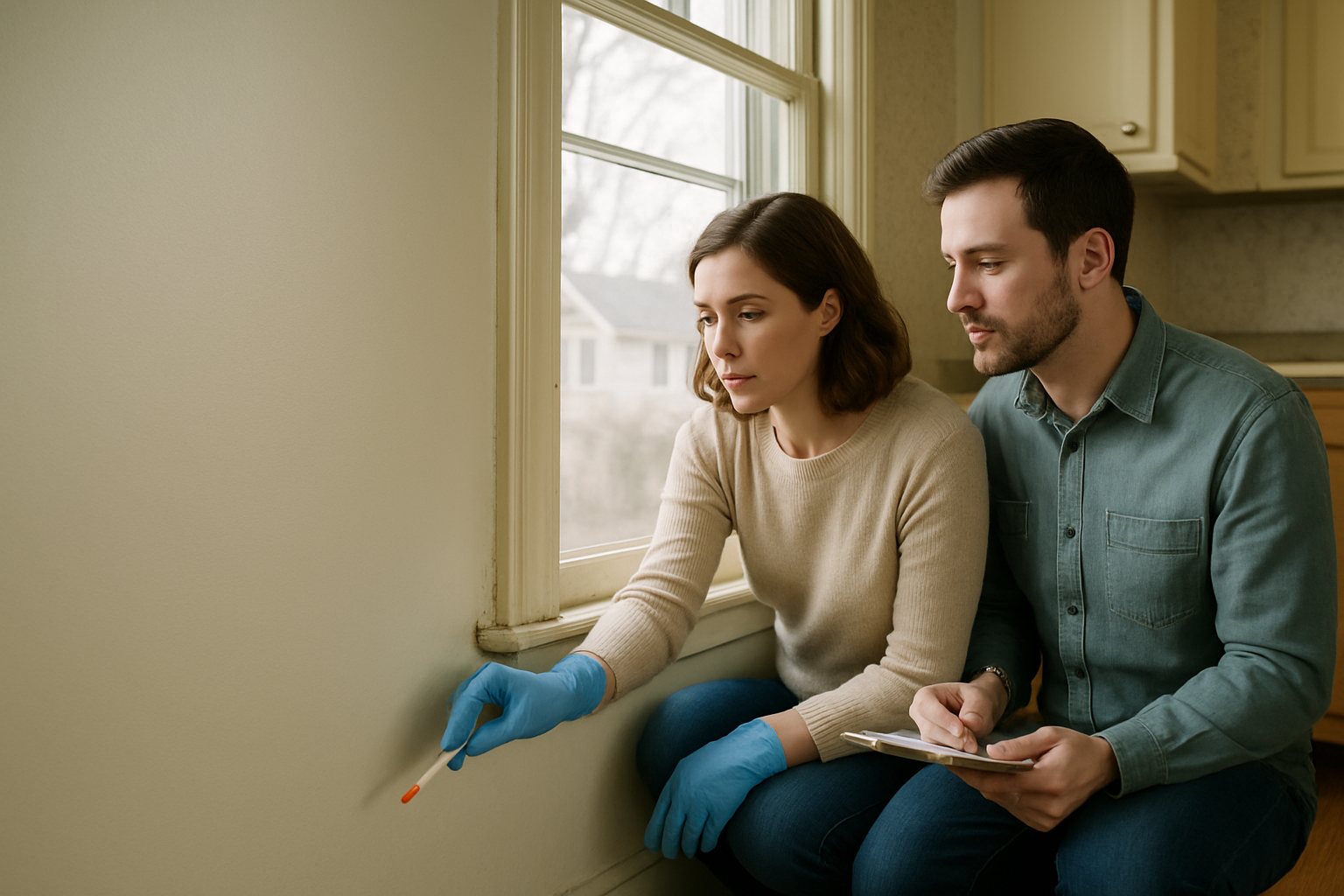
Stop lead poisoning before it starts
Lead has no smell, no taste and usually no symptoms. Find it in your home, your water and your family’s blood before it does lasting harm.
Why lead poisoning matters
Lead poisoning is one of the most common environmental threats to children’s health, and it is completely preventable. The problem is that you usually can’t see it coming: the lead is in old paint, dust, pipes and products, and most poisoned children look and act fine at first.
What lead does to the body
Children
- Damage to the brain and nervous system
- Slowed growth and development
- Learning, behavior, hearing and speech problems
- Lower IQ and attention, struggles in school
The effects can be permanent. Children under 6 are most at risk because they put hands and toys in their mouths. Source: CDC.
Adults and pregnancy
- Higher blood pressure and heart disease, the main cause of lead-related deaths worldwide
- Kidney damage and fertility problems
- Lead stored in bones is released during pregnancy and can reach the baby
- Very high levels can cause seizures, coma and death
Sources: WHO, NIEHS. Effects of lead poisoning · Symptoms
Find it before it finds your family
What do you want to test?
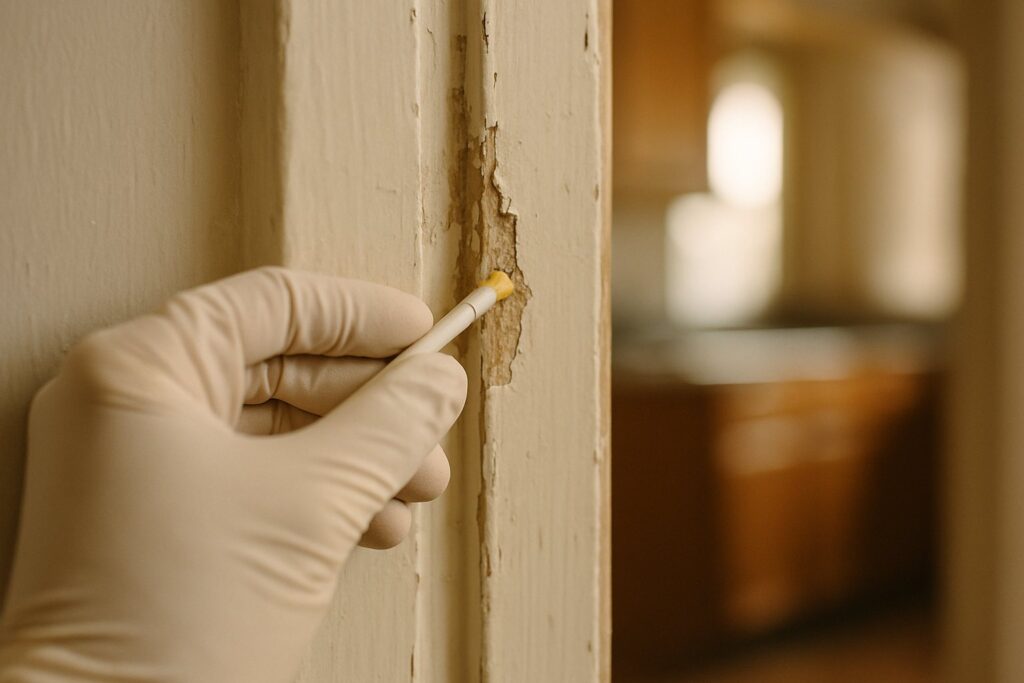
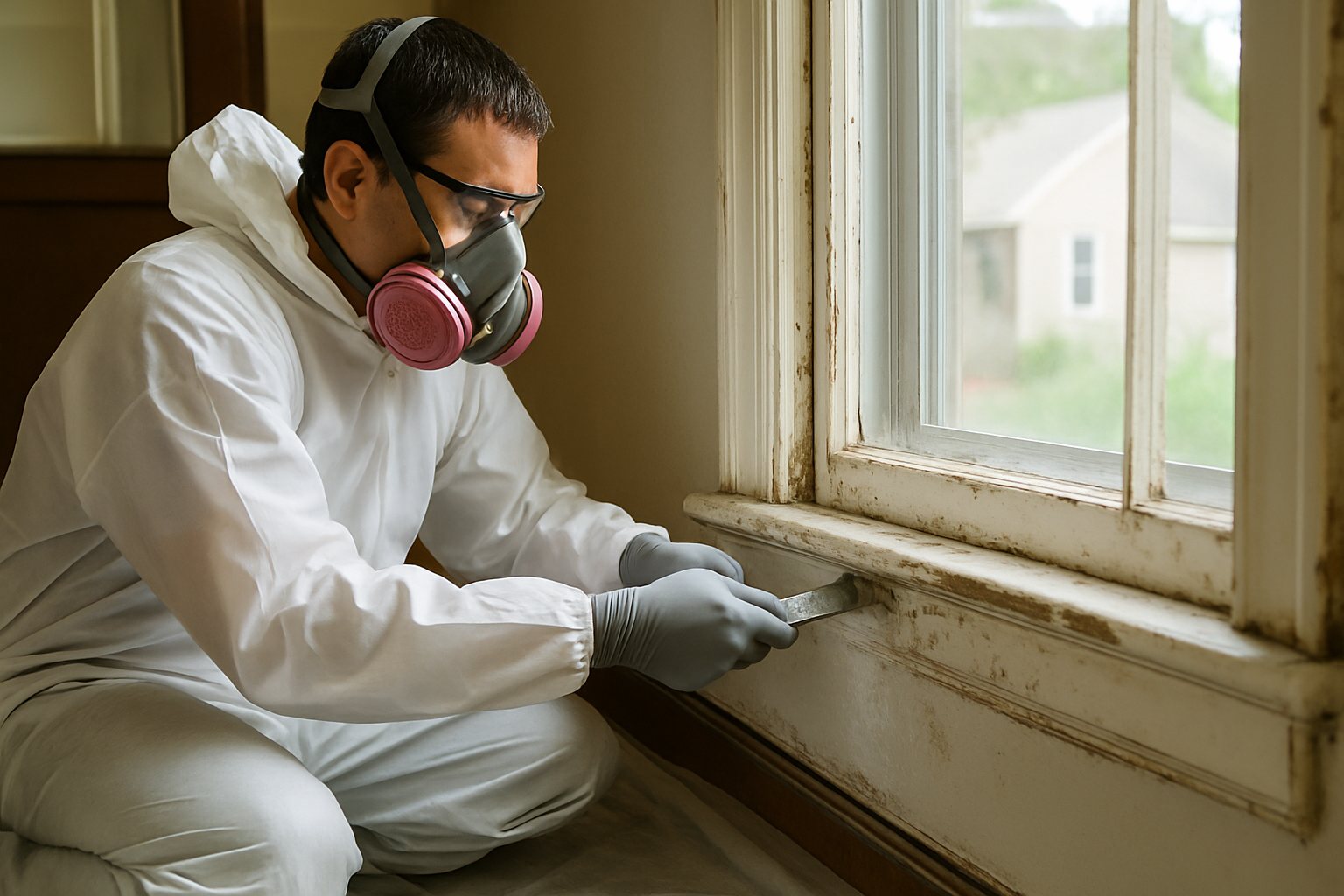
Paint
Old walls, windows, doors and trim: swab kits, lab paint chips and certified inspections.
Learn more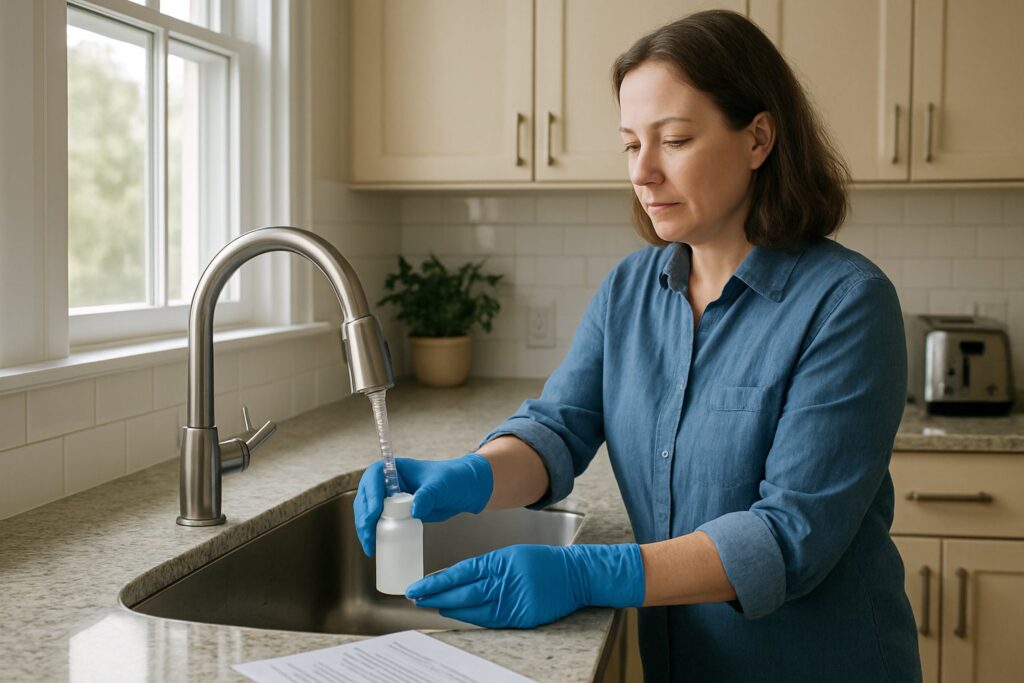
Water
Tap and well water: first-draw sampling, certified labs, lead pipes and filters.
Learn more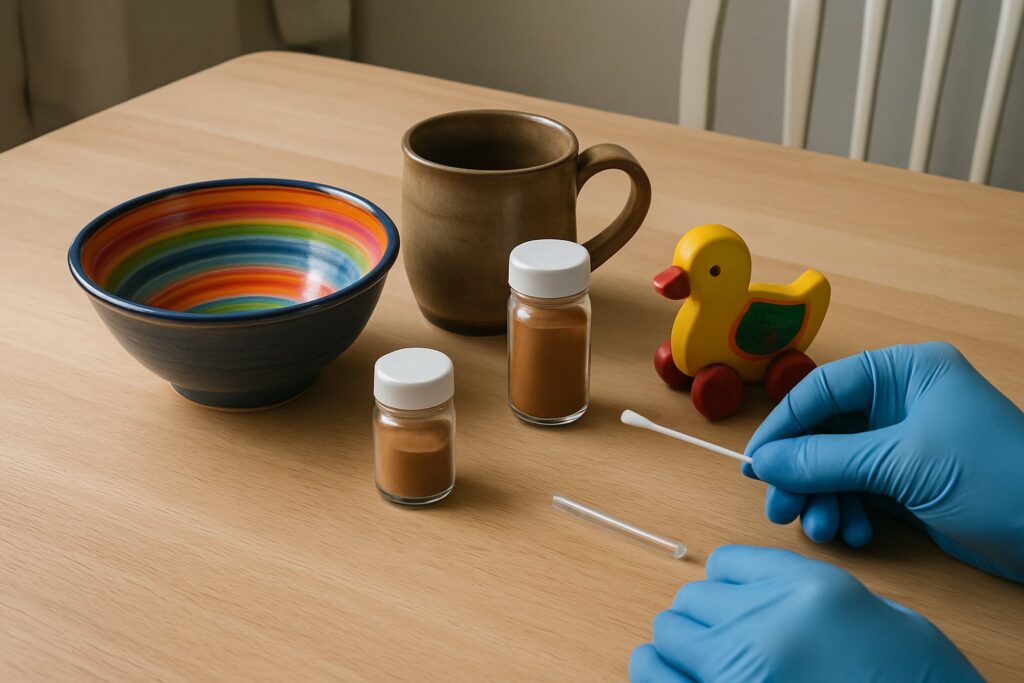
Household items
Dishes, pottery, spices, toys, jewelry and tumblers: recalls and what testing can tell you.
Learn more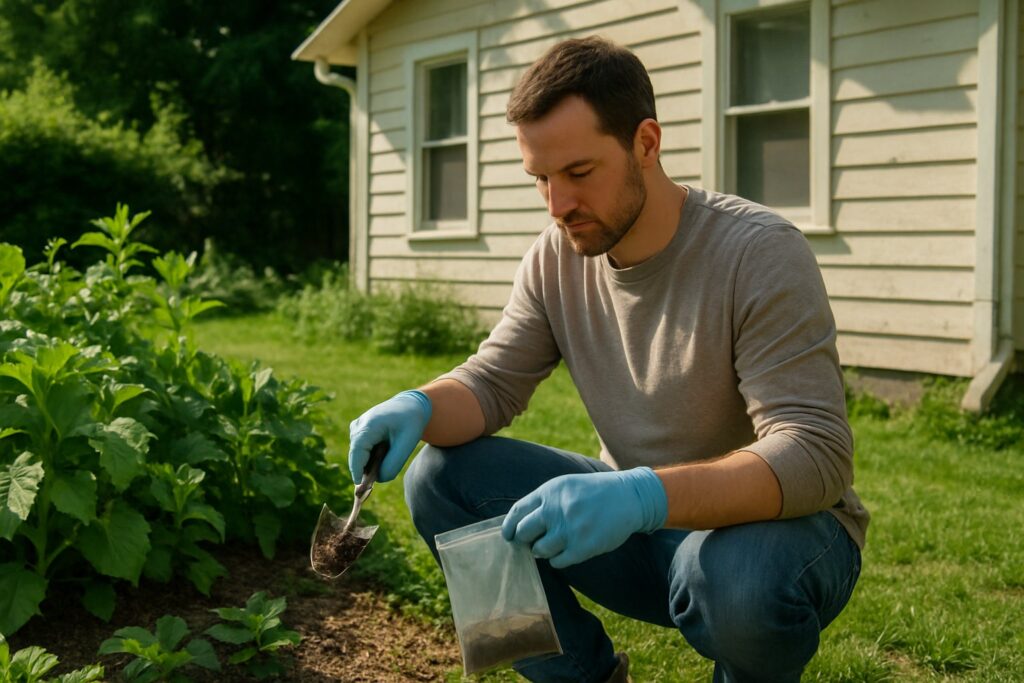
Dust & soil
Floors, window sills, yards and gardens: dust wipes, soil samples and hazard levels.
Learn moreCompare your testing options
Find local help
Certified lead inspectors, risk assessors, lead-safe renovation firms, abatement contractors and accredited labs. Tell us what you need and where, and we’ll point you to qualified help near you.
Featured guides

Which Doctor Treats Lead Poisoning? Who to See and How to Find Them

Lead Poisoning in Pregnancy: Risks, Sources and Breastfeeding

Can Lead Poisoning Kill You? Lead Poisoning Statistics and Deaths

Is Lead Poisoning Reversible? Recovery, Timelines and What Lasts

Lead Poisoning Lawyers and Lawsuits: What to Know Before You Call

Lead Poisoning in Adults: Symptoms, Signs and When to Get Tested
Lead Testing for Adults: Who Should Get a Blood Lead Test

Heavy Metal Test: Blood, Urine and Hair Tests Explained
Worried about lead poisoning?
A blood test is the only way to know if someone has been exposed to lead. Talk to your doctor or your local health department. For an urgent question, call Poison Control at 1-800-222-1222. Our health guides explain what the CDC and other official sources say.
Are you a lab or lead professional?
Inspectors, risk assessors, renovation and abatement firms, accredited laboratories and test-kit makers: list your business so people can find you when they need help.