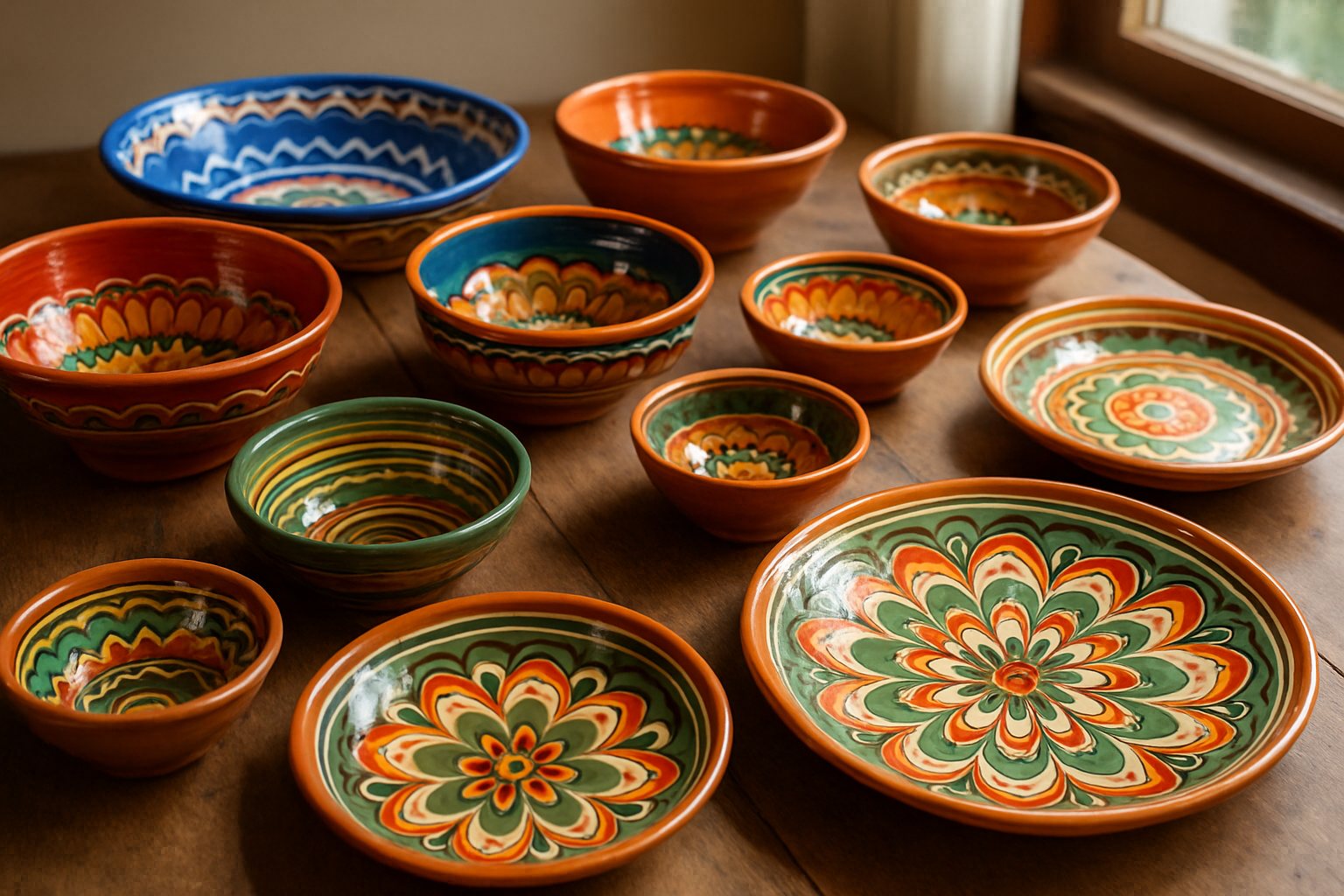
Some pottery and dishes can release lead into food and drink, mostly through glazes that contain lead or were fired badly. The FDA says the highest-risk pieces are handmade traditional pottery, antiques, worn or damaged ware, and dishes bought from flea markets or street vendors, while ordinary commercially made dishes are much less likely to be a problem.
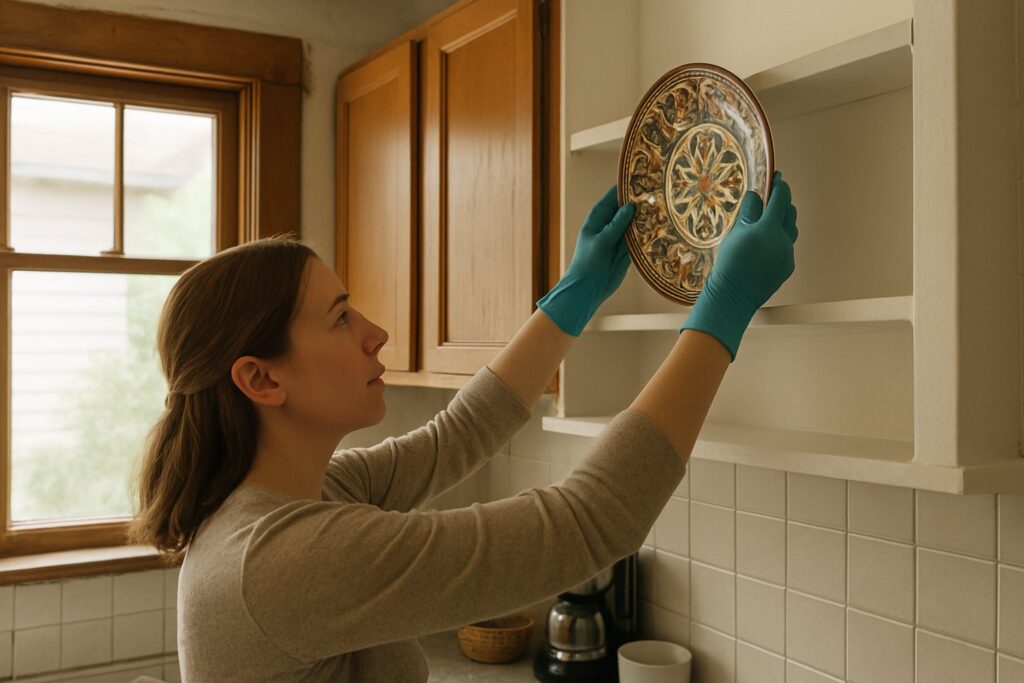
In short: the FDA sets limits on how much lead may leach out of ceramic dishes in a standard laboratory test, and it says pottery that releases lead above those limits is adulterated and must not be labeled “lead free.” Decorative ceramics that contain lead must carry a warning such as “Not for Food Use—May Poison Food.” If a piece is old, handmade, chipped or of unknown origin, the FDA’s advice is not to use it for cooking, serving or storing food or drinks unless a test shows it is safe. Home swab kits can show leachable lead but cannot prove a dish is safe. A laboratory leach test is the reliable answer.
This page summarizes what the FDA, CDC, CPSC and California’s Prop 65 program say. If a child ate or drank from a piece you are worried about, the FDA advises talking to a health care provider about a blood lead test.
How lead gets into dishes
Ceramic glazes are glassy coatings fused onto clay in a kiln, and some glazes contain lead. The FDA’s concern is not lead in the glaze as such but lead that leaches out into food, which depends on how the glaze was made and fired.
The FDA explains two ways this happens with traditional pottery:
- Low firing. If pottery is not fired at a high enough temperature, lead in the glaze may not fuse properly and can leach into food.
- Old kilns. Many folk potters have switched to non-lead glazes, but if they still fire in kilns that were used for lead glazes, residue can contaminate pottery sold as “lead free.” Local health authorities have told the FDA that some Mexican traditional pottery labeled “lead free” released lead at levels similar to lead-glazed ware.
Wear matters too. Chips, cracks and worn glaze on antique or heavily used dishes can expose more of the surface.
Which pottery and dishes are higher risk
The FDA lists these “problem types” of pottery:
- Handmade, with a crude appearance or irregular shape
- Antique
- Damaged or excessively worn
- Bought from flea markets or street vendors
- Brightly decorated in orange, red or yellow
The FDA notes that commercially made, everyday pottery is much less likely to cause problems. The CDC’s list of lead-related recalls also warns that vintage and antique dishware may contain lead.
What the FDA requires
Limits on leachable lead
The FDA does not ban lead in ceramic glazes outright. Instead, its Compliance Policy Guide (CPG) Sec. 545.450 sets action levels for how much lead leaches out of ceramic ware in a standard acid test (ASTM C738). Ware above these levels may be treated as adulterated.
| Type of ceramic ware | FDA action level (lead in leaching solution) |
|---|---|
| Flatware (plates, saucers), average of 6 units | 3.0 µg/mL |
| Small hollowware (bowls, other than cups and mugs) | 2.0 µg/mL |
| Large hollowware (other than pitchers) | 1.0 µg/mL |
| Cups and mugs | 0.5 µg/mL |
| Pitchers | 0.5 µg/mL |
Traditional pottery and “lead free” labels
The FDA’s November 2010 guidance for industry on imported traditional pottery says pottery with extractable lead above the action levels may be considered adulterated, and that ware releasing lead should not be labeled “lead free.” It urges makers to keep non-lead and lead-glazed production separate, including modifying kilns once used for lead glazes.
Decorative ware must be labeled
Under 21 CFR 109.16, ceramic ware that is meant only for decoration and contains lead must carry a conspicuous warning that it is not for food use, for example “Not for Food Use—May Poison Food.” The FDA says ware that looks suitable for food is treated as food ware unless it carries that warning. Never use a piece with that kind of label for food or drink, even for dry snacks.
Imports
FDA Import Alert 52-08 allows detention of ceramicware with lead or cadmium problems at the border. That screens some shipments but cannot catch every piece brought home in a suitcase or sold online by small sellers.
Cookware too
In December 2024, the FDA warned retailers and distributors that certain imported aluminum, brass and aluminum-alloy cookware (sold as Hindalium/Hindolium or Indalium/Indolium) can leach lead into food and should not be sold in the US. The FDA learned of the problem through testing by Public Health – Seattle & King County and high blood lead levels among resettled refugee families.
California Prop 65 warnings
California’s Proposition 65 requires businesses to warn people before exposing them to chemicals on the state’s list, and lead has been on that list since 1987 for reproductive toxicity. The state’s “safe harbor” level for lead as a reproductive toxicant is 0.5 micrograms per day. A Prop 65 warning on a dish means the seller decided a warning was needed; it is not a lab result telling you how much lead your dish releases, and a dish without one is not proven lead-free. If you see a warning, read the maker’s guidance or contact them before using the piece for food.
Can you test dishes at home?
The FDA says lead-testing kits sold in hardware stores and online can be used on pottery, and that in most kits the swab changes color if lead leaches onto it. If a test shows leachable lead, the FDA strongly advises not using that piece for cooking, serving or storing food or drinks.
Know the limits before relying on a swab:
- A positive result is a useful warning. Stop using the piece for food.
- A negative result does not prove safety. A CPSC staff study found home lead kits missed lead in about half of the tests (56 false negatives out of 104 results) on paints and other products, and noted that kits were designed for paint with high lead levels, not low concentrations. The FDA’s limits for cups and mugs are very low.
- Swab kits are not EPA-recognized for ceramics. The EPA recognizes certain swab kits only for paint on wood, ferrous metal, drywall and plaster. Our lead test kits hub explains which kit is for what.
- Surface only. A swab tests a spot on the surface. It cannot tell how much lead would leach into acidic food over hours, which is what the FDA limits measure.
The FDA’s simple fallback: if you cannot test the piece or confirm who made it, consider not using it for food or drink.
Laboratory testing
A laboratory leach test is the reliable way to know whether a dish meets the FDA limits. The FDA method soaks the surface in a weak acid solution (ASTM C738) and measures how much lead comes out. Before you send anything, ask the lab whether it offers this test for consumers, and ask:
- Which method it uses (ASTM C738 or an equivalent leach test, not just a total-lead or surface reading)
- Whether it is accredited for metals testing
- How many pieces it needs and whether the test damages them
We do not list prices because they vary by lab. Our home lead test vs lab testing guide explains when lab testing is worth it, and find a lead professional covers labs and inspectors for your home.
Practical steps for your kitchen
- Sort your dishes. Set aside antique, handmade, chipped, worn or brightly decorated pieces of unknown origin.
- Keep doubtful pieces for display. Use them as decoration, not for food or drink, until tested.
- Do not store food in them. Never use a doubtful piece to store food or drinks, and follow the FDA’s advice to avoid it for cooking and serving too.
- Read labels. Respect “Not for Food Use” and similar warnings.
- Check recalls. The CDC and CPSC list recalled products, and FDA import alerts name problem ceramicware.
- Remember that washing does not help. The FDA notes that washing or boiling cannot remove lead from pottery.
- Ask about testing. If a child ate or drank from a doubtful piece regularly, ask a health care provider about a blood lead test. For urgent questions, call Poison Control at 1-800-222-1222.
More everyday sources are on our lead in household items hub, including cinnamon and spices, toys and jewelry and Stanley cups. For health questions, see lead poisoning and lead and children.
Frequently asked questions
How do I know if my dishes have lead?
You cannot tell by looking. The FDA lists higher-risk signs: handmade, antique, worn or damaged, bought from flea markets or street vendors, or brightly colored in orange, red or yellow. A home swab can flag leachable lead; a lab leach test is the reliable answer.
Is “lead free” pottery always safe?
Not always. The FDA says some traditional pottery labeled “lead free” has released lead at levels similar to lead-glazed pottery, for example when fired in kilns once used for lead glazes.
Are modern dishes from big brands safe?
The FDA says commercially made, everyday pottery is much less likely to cause lead problems. The FDA’s leaching limits apply to ceramic ware sold in the US for food use.
Can I still use old dishes for decoration?
Yes. The concern is lead leaching into food and drink. Keeping antique or doubtful pieces for display only is a common way to enjoy them safely.
Does a Prop 65 warning mean my dish is dangerous?
It means the seller decided a California warning was needed for a listed chemical such as lead. It does not tell you how much lead the dish releases. Contact the maker or test the piece before using it for food.