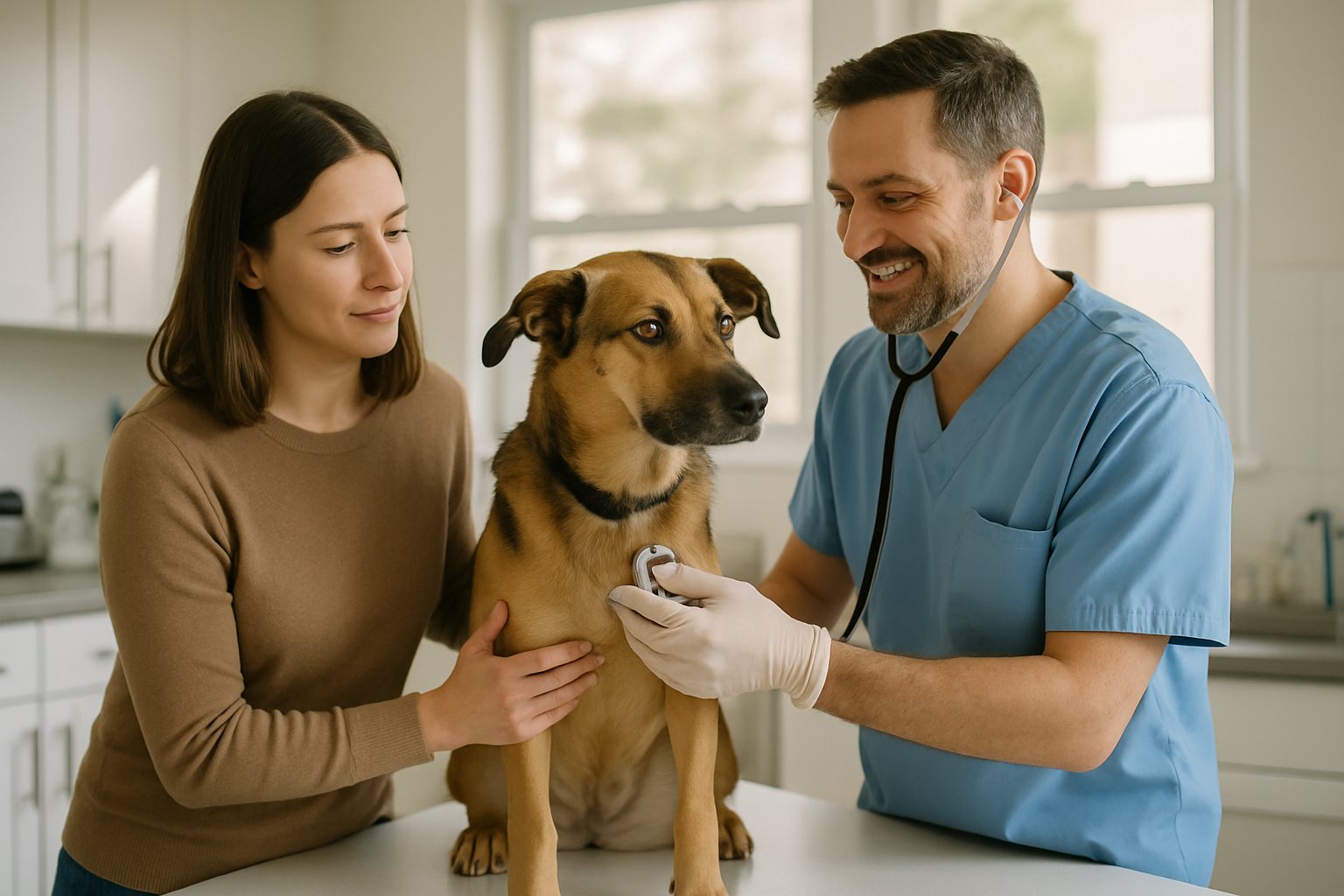
Lead poisoning in dogs and cats is uncommon, but it does happen, and the signs are easy to mistake for an upset stomach or another illness. Veterinary sources describe vomiting, diarrhea, loss of appetite, belly pain, lethargy, behavior changes, wobbliness, tremors and seizures, usually after a pet swallows old paint chips or dust, a lead object such as a fishing sinker, or dust from a home renovation.

In short: if you think your dog or cat has swallowed something with lead or shows these signs, call your veterinarian right away, or the ASPCA Animal Poison Control Center at (888) 426-4435, which answers 24 hours a day, 365 days a year; the ASPCA says a consultation fee may apply. Do not make your pet vomit unless a professional tells you to. A vet confirms lead poisoning with a blood test and decides on treatment. Because pets and young children are often exposed to the same lead, a poisoned pet is also a reason to ask your doctor about testing the children in your home.
This page summarizes what the ASPCA Animal Poison Control Center, the Merck Veterinary Manual and veterinary schools publish. It is not veterinary advice; only your vet can examine and treat your pet.
How common is lead poisoning in pets?
Not very. The ASPCA’s poison control primer for veterinarians says lead toxicity is not a common issue in dogs and cats, but that cases do happen. In 2015, as reported by the AVMA’s news service, the ASPCA center handled 65 lead cases out of about 181,000 animal poisoning cases. The Merck Veterinary Manual lists dogs, cattle and pet birds as the animals in which lead poisoning is most common, and notes that young animals absorb lead more readily, so young age, a habit of chewing or eating non-food items, and easy access to lead are the key risk factors.
Rare does not mean unimportant. Lead poisoning can look like many other illnesses, and veterinary researchers point out that it can be missed unless someone thinks to test for it.
Signs of lead poisoning in dogs and cats
The ASPCA and the Merck Veterinary Manual describe two patterns. Signs mostly involve the stomach and gut and the nervous system:
| Type of exposure | Signs veterinary sources list |
|---|---|
| Sudden (acute), such as swallowing a lead object or a large amount of paint | Not eating, vomiting, belly pain, behavior changes, a wobbly or unsteady walk (ataxia), tremors, overexcitement and seizures that come and go |
| Long-term (chronic), such as repeated paint dust or chips | Vaguer signs: belly discomfort, vomiting, diarrhea, not eating, lethargy, weight loss, anemia, behavior changes, occasional seizures, and in some dogs an enlarged, weak esophagus (megaesophagus), which is rarely reported in cats |
The Merck Veterinary Manual says lead colic, a painful belly, can occur in all species, and that lead poisoning can resemble other nervous system and digestive diseases, so a vet may need to rule those out. Cornell University’s Feline Health Center lists vomiting, seizures and an unsteady gait among poisoning signs in cats that call for prompt action.
None of these signs is specific to lead. A dog with vomiting and diarrhea most likely has something else, but if there is old paint, renovation dust or a lead object in its life, tell your vet.
Puppies and young animals
Young animals are at higher risk on two counts. They chew and swallow things more, and, according to the ASPCA’s primer, a young animal may absorb as much as half of the lead it swallows, compared with roughly 5 to 15 percent in adults. If a puppy has been chewing on old windowsills, painted furniture or anything metal and heavy, mention it to your vet even if the puppy seems well.
Signs in cats
Cats rarely chew on objects the way puppies do. The Merck Veterinary Manual reports that cats have been poisoned by grooming dust off their fur after lead-painted woodwork was sanded, which turns dust on the coat into lead in the stomach. Cornell’s Feline Health Center names lead among the frequent causes of poisoning in cats and says they are exposed through many sources, including paint chips, linoleum and dust in older homes. The Merck manual notes there is no good information on a toxic dose for cats, one more reason to call a professional rather than guess.
Common sources of lead for pets
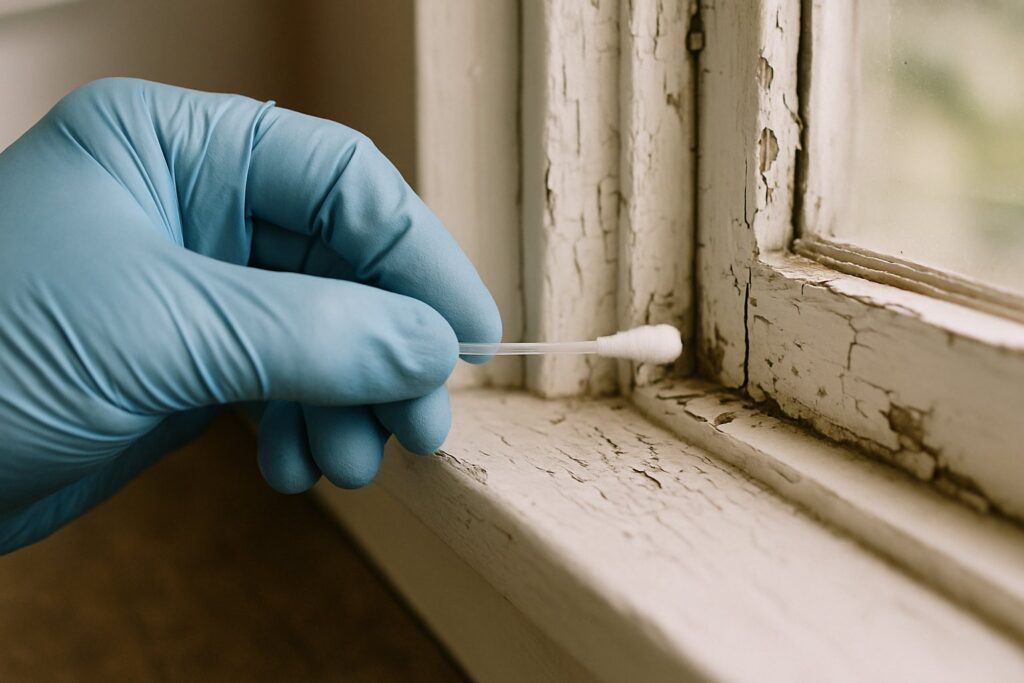
- Old paint, chips and dust. The Merck Veterinary Manual says house paint made before 1978 can contain high concentrations of lead, and that a chip the size of a thumbnail can hold 50 to 200 mg of lead. See lead paint testing.
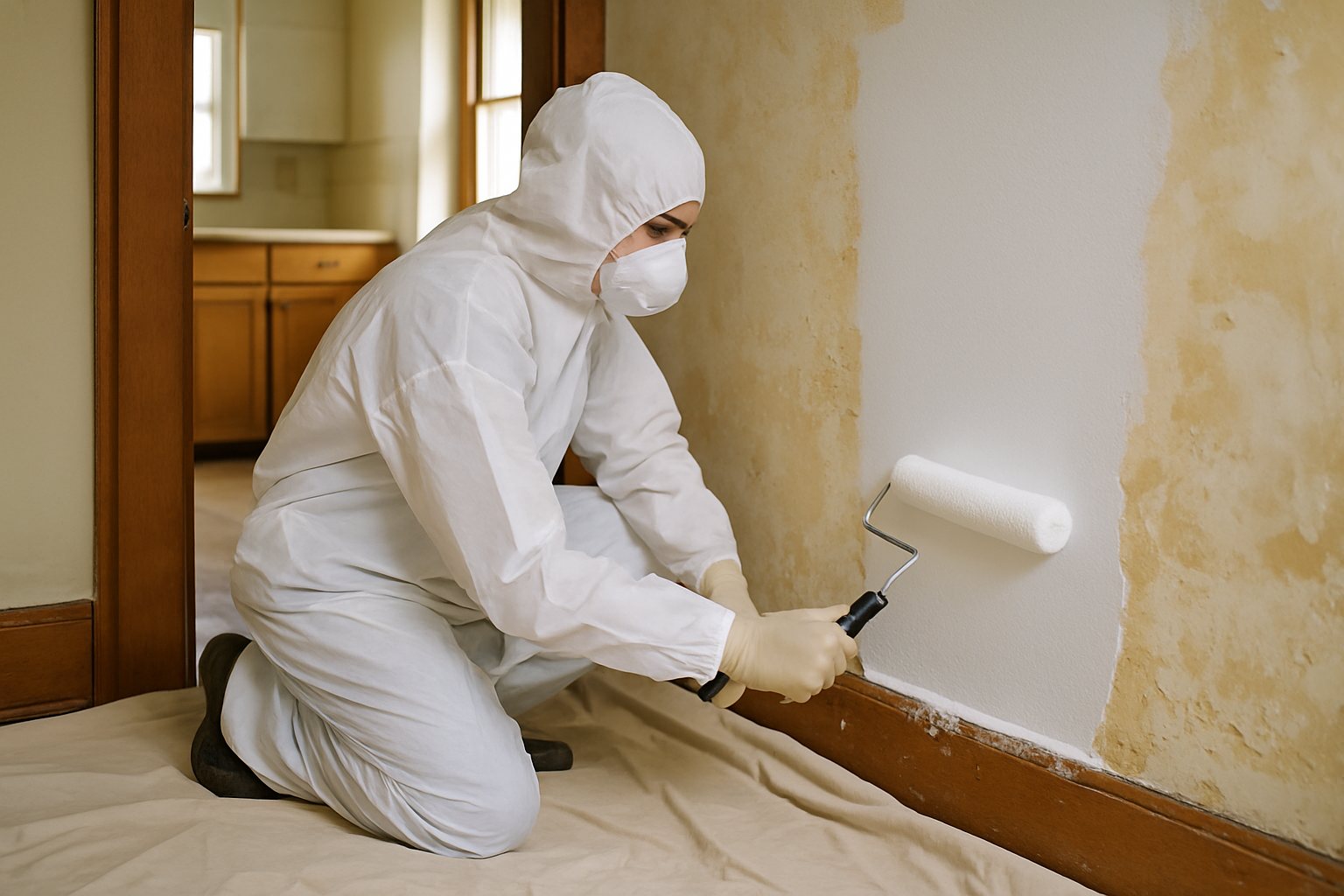
- Home renovation. Sanding and scraping old paint spreads fine dust that pets walk through and lick off their paws and fur. The ASPCA’s poison control director has said remodeling is the most common situation in which the center sees pets exposed to lead.
- Lead weights. Fishing sinkers and other lead weights, and lead shot. Some older curtain and drapery hem weights are also made of lead; a curtain weight has poisoned a child, according to a case report indexed by the NIH’s National Library of Medicine.
- Other household items. The Merck manual and the ASPCA also list linoleum, solder, toys, bullets, putty, caulk, ceramic glazes on food and water bowls, and the foil covers on some wine corks.
- Soil. Dogs that dig near older painted buildings or busy roads can swallow lead in soil. See dust and soil testing.
What to do if you suspect lead poisoning
- Call your veterinarian or an emergency vet clinic right away. If your pet is having a seizure, collapsing or struggling to breathe, go straight to an emergency clinic.
- Or call the ASPCA Animal Poison Control Center: (888) 426-4435. It is open around the clock, every day of the year. The ASPCA says a consultation fee may apply.
- Do not make your pet vomit unless a veterinarian or poison control expert tells you to, as Cornell’s Feline Health Center advises.
- Bring what you can. A sinker, chip or package, or a photo of it, and a note of when it happened and what signs you have seen.
- Keep other pets and children away from the area until the source is found.
Do not give your pet any medicine, supplement or home remedy for lead. Only a vet can decide what is safe for your animal.
How vets diagnose lead poisoning
According to the Merck Veterinary Manual, the diagnosis is made by measuring lead in a blood sample, and only a small amount of blood is needed. X-rays can show lead objects in the stomach or intestines, and some blood smear findings can point toward lead but do not confirm it. Treatment, if needed, is decided by the veterinarian based on the pet’s signs and test results, and it always includes removing the lead source from the pet’s surroundings so the animal is not exposed again. Follow-up blood tests are part of that care.
Your pet as an early warning for your family
The Merck Veterinary Manual notes that dogs and cats can be sentinels for human exposure: the paint dust, soil or object that poisoned a pet may be reaching a toddler too. The CDC says most children with lead in their blood have no obvious symptoms, so if your pet is diagnosed, ask your child’s doctor or your local health department about a blood lead test, and read lead and children. For people, the number is Poison Control at 1-800-222-1222, and our guides to lead poisoning symptoms and lead poisoning explain what to watch for.
How to protect your dog or cat from lead
- Know your home. If it was built before 1978, test for lead paint before you sand, scrape or remodel, and use a certified, lead-safe contractor. See lead-safe renovation and our professional directory.
- Keep pets out of work areas during renovation and until cleanup is finished, since cats groom dust off their coats and dogs lick their paws.
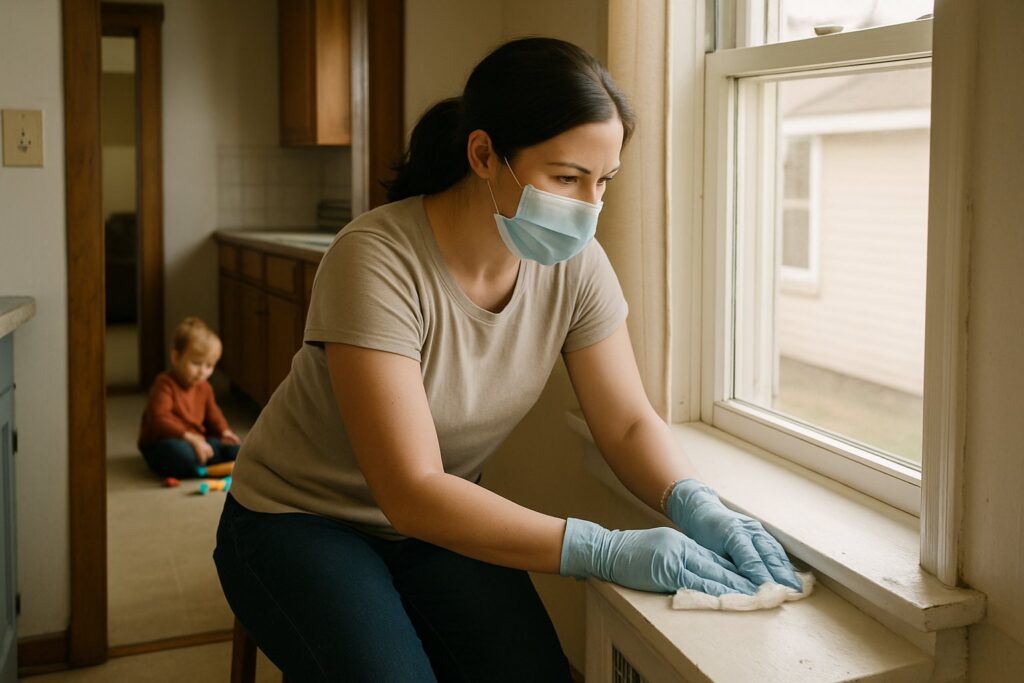
- Wet-clean dust on floors and windowsills, and wash pet bedding, toys and bowls often.
- Store fishing tackle, ammunition and lead weights out of reach, and check old curtains for hem weights if your pet chews fabric.
- Use bowls made for food. Skip old or decorative glazed ceramics of unknown origin; see lead in pottery and dishes.
- Watch the yard. Discourage digging along the walls of older painted buildings, and test soil if you are unsure.
Frequently asked questions
What are the first signs of lead poisoning in a dog?
Veterinary sources most often list not eating, vomiting, belly pain and behavior changes, and with more severe exposure, a wobbly walk, tremors or seizures. These signs are not specific to lead, so call your vet.
My dog swallowed a fishing sinker. What should I do?
Call your veterinarian or the ASPCA Animal Poison Control Center at (888) 426-4435 right away, even if your dog seems fine. Don’t make it vomit unless told to. A vet may take an X-ray to find the sinker.
Can cats get lead poisoning from dust?
Yes. The Merck Veterinary Manual reports cats poisoned by grooming dust from sanded lead-painted woodwork off their fur. Keep cats out of renovation areas in older homes.
Is the ASPCA poison hotline free?
The ASPCA says a consultation fee may apply; it does not publish the amount on its main page. Your own vet is also a good first call.
Can I test my pet for lead at home?
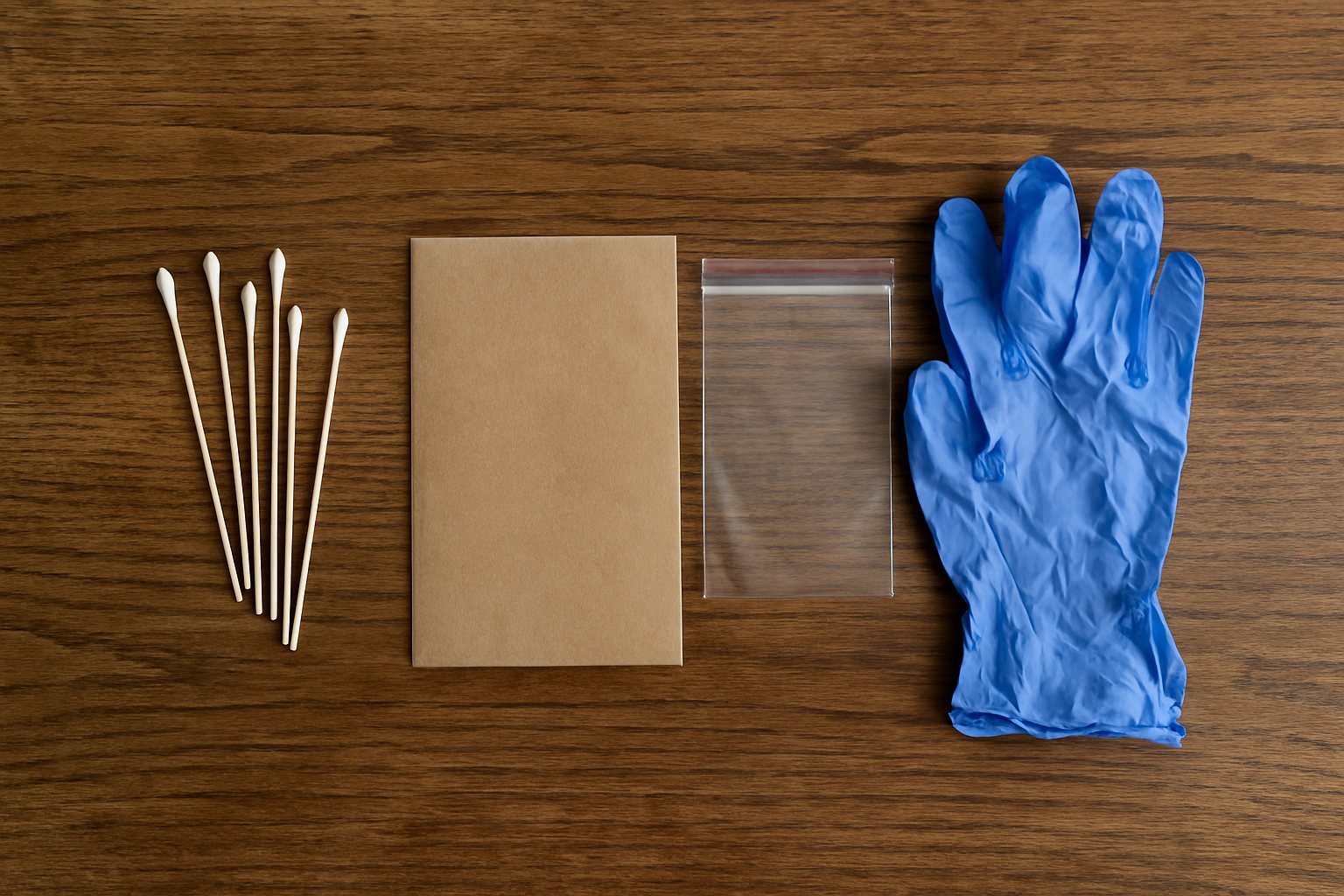
No. Lead in an animal is measured with a blood test done by a vet. Home swab kits are made for surfaces such as paint, not for pets or people, and EPA recognizes only certain kits for certain surfaces.