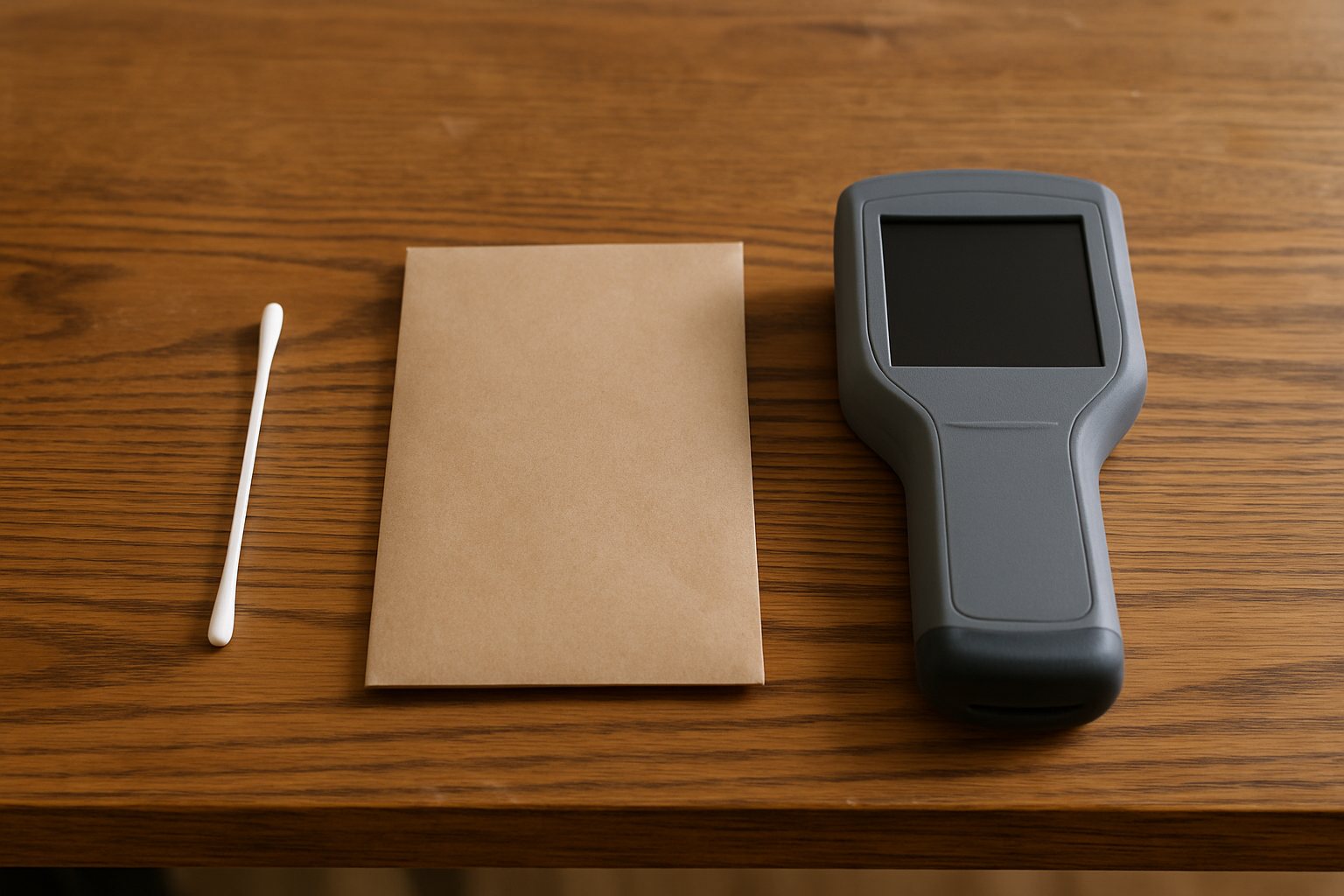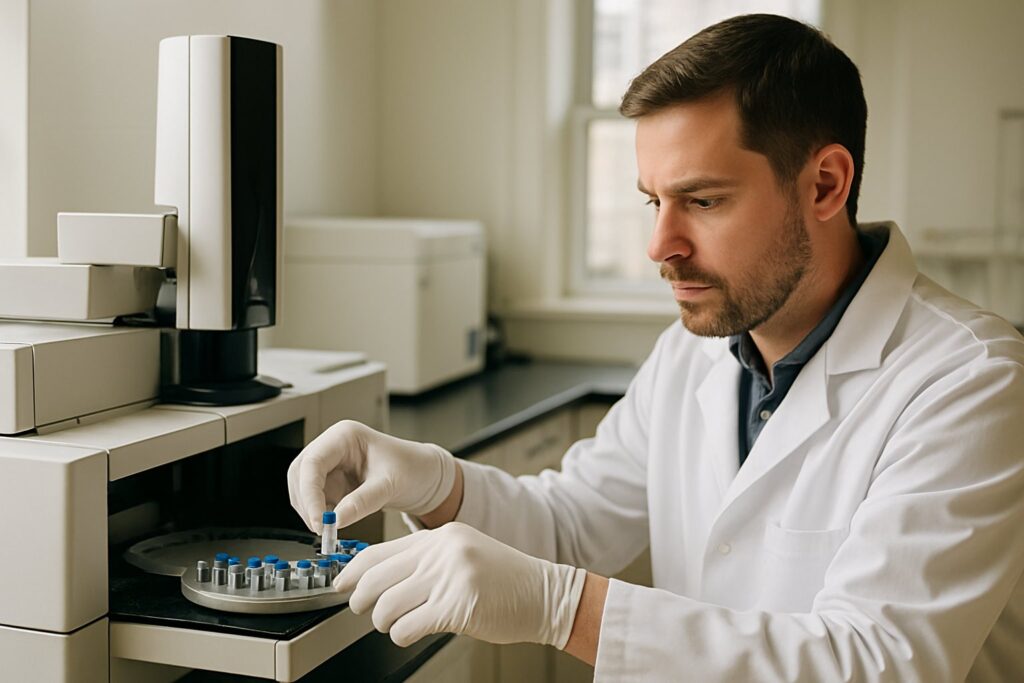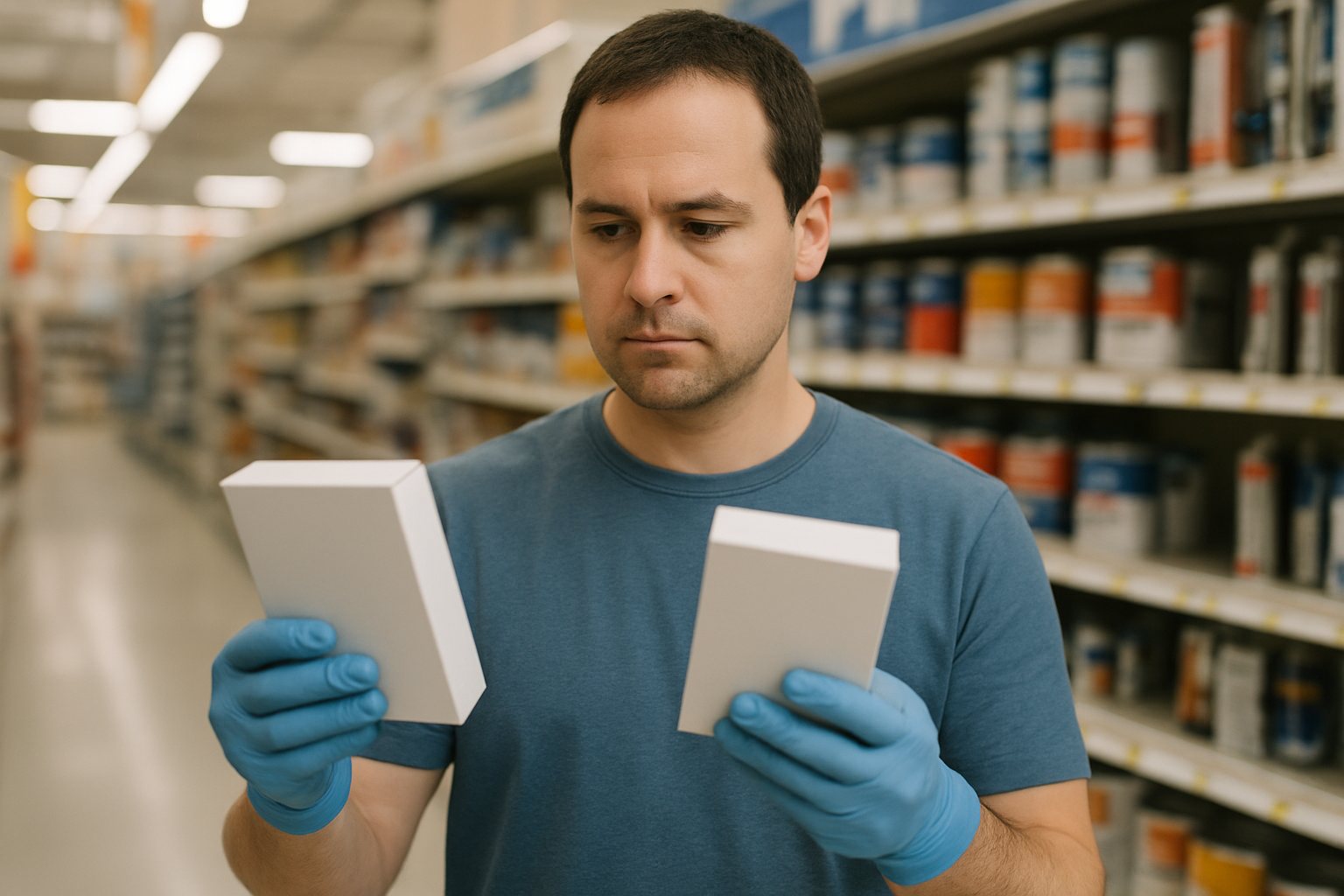
Tag: Lead Test Kit

  • Lead Test Kits at Home Depot, Lowe’s, Walmart and Amazon: What Each Store Sells

    Lead Test Kits at Home Depot, Lowe’s, Walmart and Amazon: What Each Store Sells

    Home Depot’s website lists four lead test kits: two from PRO-LAB (a surface swab kit and a lead-in-water kit) and two from Safe Home (a swab-plus-lab kit for paint and other solids, and a lead-in-water kit), priced from about $9 to $20 when we checked in October 2026. None of them is one of the three paint kits EPA recognizes. For an EPA-recognized kit, LeadCheck, the easiest place we found it was Amazon; its maker also lists Lowe’s and Walmart as sellers.
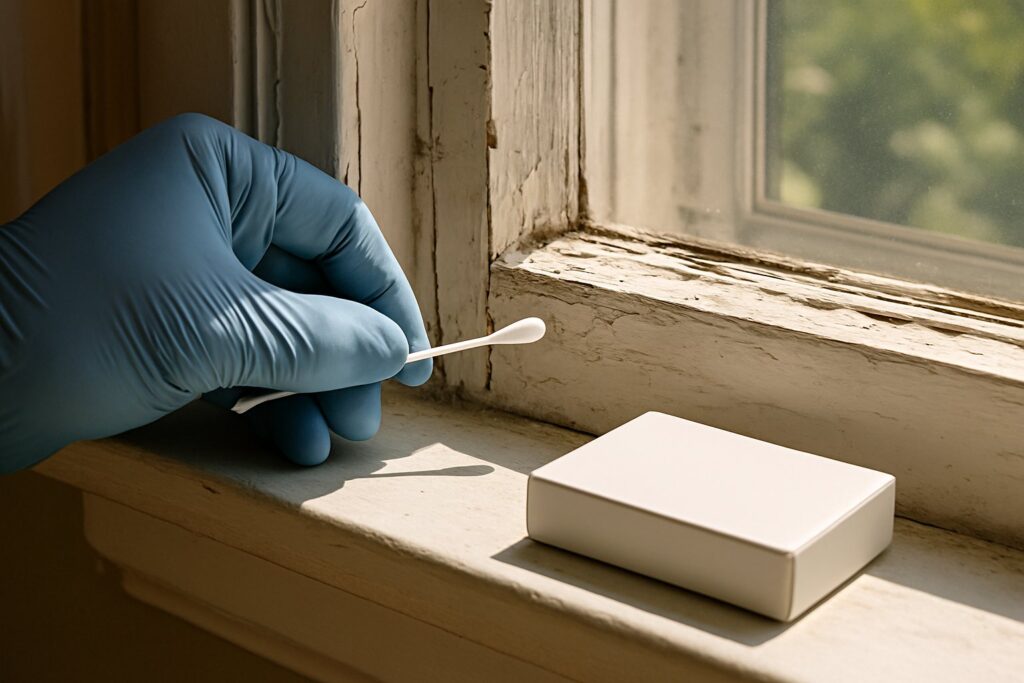
    Gloved hand checking a swab against old painted window trim at home

    In short: the kits on store shelves are cheap and quick, but most are screening tools with no EPA recognition. EPA recognizes only LeadCheck (made by Luxfer Magtech, formerly 3M), D-Lead (ESCA Tech) and the State of Massachusetts kit, only for lead-based paint, only on certain surfaces, and only when used by trained or certified professionals. “EPA approved” is not a term EPA uses for any kit. Water kits are a different category entirely: no home water kit is EPA-recognized, and the meaningful credential there is a state-certified drinking water lab. Pick the store by the kit you need, not the other way around.

    How we checked the stores

    On October 9, 2026, we searched each retailer’s own website for lead test kits and recorded what came back. Where a site blocked automated access, we say so and use the makers’ own “where to buy” pages instead of guessing. Prices are what each site showed online that day; they change often, and store stock varies. We did not buy or lab-test any kit.

    Lead test kits by store, at a glance

    StoreLead kits listedPrice seen (Oct 2026)EPA-recognized?
    Home Depot (homedepot.com)PRO-LAB Lead Surface Test Kit (LS104); PRO-LAB Lead-In Water Test Kit (LW107); Safe Home Lead in Solids Combo, 10 swabs; Safe Home Do-It-Yourself Lead in Water Test Kit$8.59; $8.72; $19.99; $19.99No. LeadCheck and D-Lead did not appear in Home Depot’s results, even when we searched “leadcheck.”
    Lowe’s (lowes.com)Could not check: the site blocked our requests. LeadCheck’s maker lists Lowe’s as a seller; PRO-LAB names Lowe’s among stores carrying its kitsNot seenLeadCheck is, if your store carries it; PRO-LAB is not
    Walmart (walmart.com)PRO-LAB surface, water and paint-and-dust kits; D-LEAD Lead Paint Test Kit, 24 tests; Schneider Labs mail-in kits; many generic swab packs. Mostly third-party sellersPRO-LAB surface about $14; D-LEAD $89.99; Schneider 1-sample (1-day) $65D-LEAD is (paint, certain surfaces). LeadCheck’s maker links to a Walmart listing we could not open
    Ace Hardware (acehardware.com)Could not check: the site blocked our requests. PRO-LAB names Ace among its storesNot seenPRO-LAB is not
    Amazon (amazon.com)LeadCheck 2-swab and 8-swab packs; PRO-LAB Lead Surface; Safe Home solids and water kits; Schneider Labs mail-in kit$15 and $39; $13.96; $19.99 each; $35LeadCheck is. We found no D-Lead listing

    Home Depot: four lead kits, none EPA-recognized

    Five different searches on homedepot.com, including “leadcheck,” returned the same four lead kits, all marked in stock online. The PRO-LAB kits appeared as store-and-online items and the Safe Home kits as online-only, so check the product page with your local store selected.

    • PRO-LAB Lead Surface Test Kit (LS104), $8.59. An instant swab test you wet with water. PRO-LAB says its swabs detect lead “to as little as 5 parts per million”, a maker’s claim; the kit is not on EPA’s recognized list. PRO-LAB’s page describes twelve swabs, while a one-pack listing on Amazon lists two test pads, so check the count on the package.
    • PRO-LAB Lead-In Water Test Kit (LW107), $8.72. A mail-in lab test, not an instant strip. PRO-LAB says you collect a water sample, ship it to its lab, and get a report “accurate to just 1 ppb” within seven business days. The page we read did not say whether a separate lab fee applies, so check the box before you buy.
    • Safe Home Lead in Solids Combo (10 swabs), $19.99. Ten swabs plus a sample you can mail to Safe Home’s lab (fee extra). Not EPA-recognized. More in our best lead paint test kits comparison.
    • Safe Home Do-It-Yourself Lead in Water Test Kit, $19.99. This looks like the DIY kit Safe Home sells on its own site for the same price (the model numbers differ slightly). Safe Home says the at-home test reads lead in three ranges (0-4, 5-15 and above 15 parts per billion) in about five minutes, with an optional mail-in sample for its lab at extra cost.

    The search also returned general water-quality kits (LABTECH, PurTest); check the box for lead before counting one as a lead test.

    Lowe’s: blocked, so here is what the makers say

    Lowe’s website refused our requests (an “access denied” response) on every page we tried, so we cannot tell you which lead kits lowes.com lists today or what they cost. Two makers do name Lowe’s. LeadCheck’s distributor page lists Lowe’s under “Marketplaces,” and its link goes to a Lowe’s search for “leadcheck.” PRO-LAB says its kits are sold at more than 40,000 outlets and names Lowe’s, Home Depot, Menards, Ace Hardware, True Value, Do It Best, Kroger, Fred Meyer, Giant Eagle and CVS. A marketplace listing may ship from a third-party seller rather than your local store.

    Walmart and Ace Hardware

    Walmart’s site showed us one search for “lead paint test kit” before switching to a robot check. Nearly every lead kit in that search was sold by a third-party seller with home delivery, not by Walmart itself. It included the PRO-LAB surface kit (about $14), PRO-LAB Lead in Water ($8.72) and PRO-LAB Lead Paint and Dust (about $13), Schneider Labs mail-in paint, dust or soil kits sold by the lab itself ($65 for one sample with one-day turnaround), and the D-LEAD Lead Paint Test Kit, 24 tests, at $89.99. That was the only place we saw D-Lead offered to consumers. Most of the rest were generic swab packs with no published detection limit.

    LeadCheck’s maker links to a Walmart listing for a 48-test LeadCheck box, but the robot check stopped us before we could open it. Ace Hardware’s site blocked us too; PRO-LAB lists Ace among its stores.

    Amazon: the easiest place to find LeadCheck

    Amazon had the widest range when we checked: LeadCheck in a 2-swab pack ($15) and an 8-swab pack ($39), both in stock; the same PRO-LAB surface kit sold at Home Depot ($13.96); Safe Home’s solids and water kits ($19.99 each); and Schneider Labs’ single-sample mail-in kit ($35). The LeadCheck listings name the brand as “Lead Check” and are sold by third-party sellers, and they do not say whether a box was made by Luxfer Magtech or is older 3M stock. EPA says older 3M kits may still be used; check the expiration date. We found no D-Lead listing on Amazon.

    Which lead test kits does EPA recognize?

    EPA’s lead test kit page says it “recognizes three lead test kits” for use under its Renovation, Repair and Painting (RRP) rule:

    • LeadCheck (Luxfer Magtech; 3M sold the formula and trademarks to Luxfer Magtech in 2024): wood, ferrous metal (iron and steel), drywall and plaster, when used by a certified renovator.
    • D-Lead (ESCA Tech): the same four surfaces, certified renovators. EPA says it is sold through certain distributors and retailers, or by calling ESCA Tech at 414-962-3006.
    • State of Massachusetts kit: drywall and plaster only, trained professionals. It is not something you will find in a store.

    Recognition has a narrow meaning. All three kits meet EPA’s criterion for reliable negative results: on paint at or above the federal lead-based paint level (1.0 mg/cm² or 0.5% by weight), they should rarely miss it. EPA says no kit has met its second criterion for reliable positive results. So a negative result on a recognized surface is the useful one; a positive may be a false alarm and should be confirmed. EPA also states that recognition applies when the kit is used by a trained professional. You can buy LeadCheck as a homeowner, but your own result is not an official determination for a sale, a rental or a child with an elevated blood lead level.

    “EPA approved” and “EPA-certified lab”: what the labels mean

    People search for “lead paint test kits EPA approved,” and some makers use the phrase. LeadCheck’s own consumer site calls it “EPA-approved,” and PRO-LAB calls its water kit “an EPA approved laboratory test.” EPA’s test kit page does not use the word “approved” at all. Its term is “recognized,” and it applies only to the three paint kits above. If a box says “EPA approved” and the kit is not LeadCheck, D-Lead or the Massachusetts kit, treat that as marketing.

    “EPA-certified lab,” printed on many mail-in and combo kits, needs a closer look too, and it depends on what you are testing:

    • Paint chips, dust wipes and soil: the federal credential is accreditation under EPA’s National Lead Laboratory Accreditation Program (NLLAP). EPA publishes the list. Schneider Laboratories appears on it; we did not find Safe Home’s named lab on it as of September 2026.
    • Drinking water: labs are certified by EPA or, in most cases, by state programs. EPA tells consumers to use a state-certified drinking water lab and lists each state’s program. Ask the kit maker which state certifies its lab for lead in drinking water.

    No home water test kit, strip or mail-in, is “EPA-recognized” the way the paint kits are. Our best lead water test kits guide explains what to look for instead.

    Kits we found in stock on Amazon

    These three were in stock on Amazon when checked in October 2026, one for each common question. Prices change; check the listing.

    EPA-recognized swab

    LeadCheck Swabs, Instant Lead Test, 2 Swab Blister Pack

    • Recognized on wood, ferrous metal, drywall, plaster
    • Red means lead; results in about 30 seconds
    • About $15, seen October 2026
    Check price on Amazon
    Water screen + lab option

    Safe Home DIY Lead in Drinking Water Combo Test Kit

    • Maker: 3 ranges, 0-4, 5-15, 15+ ppb in 5 minutes
    • Optional mail-in lab sample, fee extra
    • About $20, seen October 2026
    Check price on Amazon
    Measured lab result

    Schneider Labs Lead Test Kit, Paint, Dust or Soil (1 sample)

    • Lab on EPA's NLLAP list
    • Flame AA, EPA Method 7000B; prepaid return label
    • About $35, seen October 2026
    Check price on Amazon

    Which kit to buy, by the question you are asking

    1. “Is there lead paint where I’m about to sand or scrape?” An EPA-recognized swab (LeadCheck, or D-Lead) on wood, ferrous metal, drywall or plaster. Expose every paint layer, and read how to test for lead paint first.
    2. “How much lead is in this paint, dust or soil?” A mail-in kit from an NLLAP-accredited lab, or send a sample to any lab on EPA’s list.
    3. “Is there lead in my tap water?” A water kit, never a paint swab. A strip gives a range; a state-certified lab gives a number. EPA also suggests contacting your water utility.
    4. “Are these toys or dishes safe?” Home swabs are unreliable here; CPSC advises against using them on consumer products. A lab is the dependable route.
    5. Buying, selling or renting, or a child has an elevated blood lead level: skip the store and hire a certified lead inspector or risk assessor. See find a lead professional.

    Our home lead test vs lab testing guide goes deeper on when a store kit is enough, and the lead test kits hub compares every type. A test of your house is not a test of your family: if you are worried about exposure, ask a doctor about a blood lead test and see lead poisoning.

    Frequently asked questions

    Does Home Depot sell 3M LeadCheck?

    Not on homedepot.com when we checked in October 2026: searches for “leadcheck” and “3m leadcheck” returned only PRO-LAB and Safe Home kits. LeadCheck was in stock on Amazon, and its maker lists Lowe’s and Walmart among its sellers.

    Which lead paint test kits are EPA approved?

    EPA’s word is “recognized,” not “approved.” It recognizes LeadCheck and D-Lead for wood, ferrous metal, drywall and plaster, used by certified renovators, and the State of Massachusetts kit for drywall and plaster only, used by trained professionals.

    Is the PRO-LAB lead test kit at Home Depot any good?

    It is a low-cost screening swab. PRO-LAB says it detects lead down to 5 ppm, but it is not EPA-recognized and we found no independent evaluation of that claim. A negative result on old house paint is less dependable than one from LeadCheck or D-Lead; confirm anything important with a lab.

    Does Home Depot sell a lead water test kit?

    Yes. It listed the PRO-LAB Lead-In Water Test Kit ($8.72), a mail-in lab test, and the Safe Home Do-It-Yourself Lead in Water Test Kit ($19.99), an at-home test with an optional lab sample. Neither is EPA-recognized; no home water kit is.
  • Lead Test Kit for Dishes: What a Swab Can and Can’t Tell You

    Lead Test Kit for Dishes: What a Swab Can and Can’t Tell You

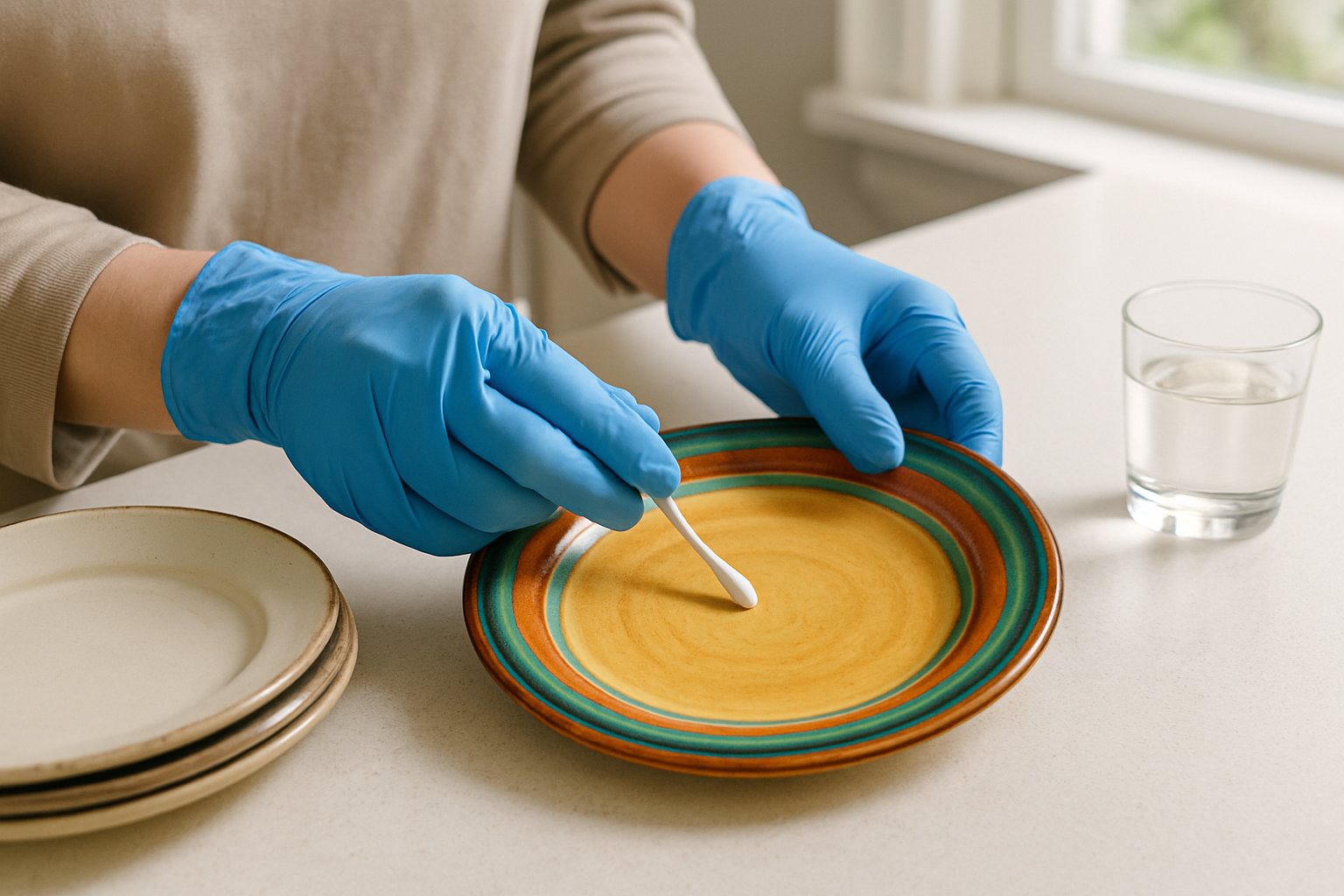
    A lead test kit for dishes can warn you that a plate, mug or glass gives off lead at its surface, but it cannot prove a dish is safe. The FDA says swab kits sold in hardware stores and online can be used on pottery and that you should stop using a piece for food if a swab shows leachable lead, while the CPSC found that home kits often miss lead in consumer products.

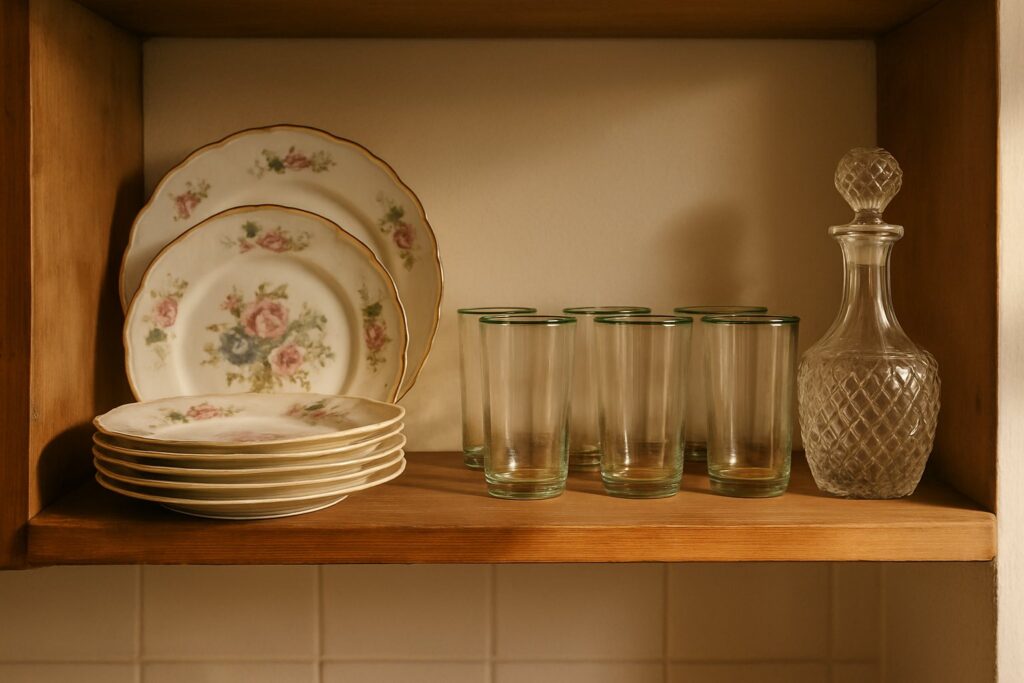
    Vintage china, decorated glasses and a crystal decanter on an open kitchen shelf

    In short: use a swab kit as a quick screen on the food-contact surface and the rim, especially on old, handmade, worn or brightly decorated pieces. Treat a color change as a reason to stop using the piece for food and drink. A negative proves little: no swab kit is EPA-recognized for ceramics or glass, a fired glaze can hide lead, and the FDA’s limits are measured with a lab leach test. If a dish matters to you, or children use it, the reliable answer is a lab leach test or simply keeping the piece for display.

    For why some dishes contain lead in the first place, see lead in pottery and dishes.

    How swab kits react to lead

    Most home lead swabs use one of two chemical reactions. A study of lead test kits by the National Institute of Standards and Technology (NIST) for HUD describes kits based on sulfide, which turns gray or black with lead, and kits based on rhodizonate, which turns pink or red. You rub the wet swab on the surface; if lead dissolves onto the tip, the color changes.

    So a swab only reacts to lead it can reach and dissolve in seconds at the exact spot you rub. The FDA describes it the same way for pottery: in most kits the swab changes color if lead leaches onto it.

    • Glazed surfaces. A swab can pick up lead from a glaze that is poorly fired, worn, corroded or chalky. A sound, fired glaze can hold lead underneath where the swab never touches it. The CPSC found that none of the kits it tested consistently detected lead covered by a non-leaded coating.
    • Decorations and decals. The California Department of Public Health (CDPH) warns about bright colors or decorations on surfaces that touch food or drink, including the upper rim of a cup or bowl, and about decorations that sit on top of the glaze. If you can feel the design with your finger, it is probably on top. Swab those spots.
    • Rims. Your lips touch it, so test it separately.

    What official sources say about home kits

    • EPA recognizes kits only for paint. The EPA recognizes three kits (LeadCheck, D-Lead and a Massachusetts kit) and only for telling a certified professional that regulated lead-based paint is not present on wood, ferrous metal, drywall or plaster (the Massachusetts kit only on drywall and plaster). Ceramics, china and glass are not on the list.
    • CPSC says kits are unreliable on consumer products. In its October 2007 staff study, the CPSC got 56 false negatives out of 104 results, plus two false positives, and concluded that consumers should not use lead test kits to evaluate consumer products. It said qualified lab testing is the only reliable way to assess a product.
    • FDA accepts kits as a warning sign for pottery. The FDA says consumers can buy lead-testing kits in hardware stores or online, and if a test finds leachable lead, it strongly advises against using that pottery for cooking, serving or storing food or drinks.

    A positive swab is meaningful; a negative is weak evidence. Our lead test kits hub explains which kit is designed for which material.

    What the FDA actually measures

    The FDA does not judge dishes by a swab. Its Compliance Policy Guide Sec. 545.450 sets action levels for lead that leaches out of ceramic ware into an acid solution in a standard laboratory test (ASTM C738). The limits get stricter for pieces that hold liquid for longer, such as cups and pitchers:

    Ceramic wareFDA action level (lead in leach solution)
    Flatware (plates, saucers), average of 6 units3.0 µg/mL
    Small hollowware (bowls, other than cups and mugs)2.0 µg/mL
    Large hollowware (other than pitchers)1.0 µg/mL
    Cups and mugs0.5 µg/mL
    Pitchers0.5 µg/mL

    A swab result has no unit that compares to these numbers. A dish can pass a swab and still release more lead than the cup limit, and the swab will not tell you. Decorative ceramics that contain lead must carry a warning such as “Not for Food Use—May Poison Food” under 21 CFR 109.16; never use those for food, whatever a swab says.

    Glassware with painted rims and decals

    Glasses, mugs and tumblers with colored designs near the top are a common worry. There is a dedicated laboratory method for them: ASTM C927 measures lead and cadmium extracted from the lip and rim area of glass tumblers decorated on the outside with ceramic glass enamels. ASTM calls it a severe test, not a measure of real use.

    We found no federal consumer guide specifically for decorated drinking glasses. CDPH’s tableware guidance is the practical rule: decorations where food, drink or lips touch, including the rim, deserve the most caution, especially when worn. If a glass has a painted band or decal that reaches the area where your mouth goes, swab that band, and if it reacts, retire the glass to display or use it only for things like pens. A negative swab on a glossy enamel does not clear it, for the same coating reason as glazes.

    Vintage china and lead crystal

    Vintage china. CDPH lists antique tableware handed down in families or found in antique stores, flea markets and garage sales among the pieces most likely to contain lead, because they were made before lead in tableware was regulated. It also flags corroded glaze or a dusty, chalky gray residue after washing as a possible serious hazard. CDPH notes that plain white dishes rarely contain lead. A swab is a fair first check on old china, but heirlooms you want to use daily are worth a lab test.

    Lead crystal. Lead crystal contains lead by design, so a swab tells you little. We found no current FDA consumer page on it. The EPA advises avoiding storing or serving food and liquids in lead crystal. CDPH says occasional use is unlikely to expose you to large amounts unless liquids have been stored in it, that children should never eat or drink from leaded crystal, and that food or alcohol should not be stored in crystal decanters because leaching increases with time. A 1992 study in the American Journal of Public Health measured 100 to 1,800 µg/L of lead in drinks stored in decanters from 14 makers.

    How to swab a dish correctly

    1. Read the kit’s own instructions. Activation differs: some swabs have crushable vials, some need water or white vinegar. Note what the maker says the kit is for.
    2. Clean and dry the surface. Remove food residue and grease so the swab touches the glaze.
    3. Test the food-contact areas. Swab the inside of cups and bowls, the eating surface of plates, and the rim. Use a fresh swab for each spot and each color in the decoration.
    4. Focus on the risky spots. Worn, chipped, crazed or chalky areas, raised decorations and bright reds, oranges and yellows, which the FDA lists among higher-risk signs.
    5. Rub firmly for the time stated and read the color in good light within the time window the kit gives. Use the kit’s confirmation card if it has one.

    Do not scrape or chip a glaze to “get under it.” It damages the dish and still won’t show how much lead leaches into food. The FDA also notes that no amount of washing or boiling removes lead from pottery.

    What a negative result does not prove

    • It does not prove the dish is lead-free. Lead under an intact glaze or enamel may not reach the swab. One kit maker below states this on its own listing.
    • It does not show the dish meets FDA limits, which are measured by a leach test.
    • It does not account for use. CDPH says heating, storing food and acidic foods and drinks (citrus, tomatoes, soy sauce, juice, cola, coffee, tea, alcohol) all increase leaching, and the dishwasher can damage a leaded glaze over time.

    Home kits compared with lab testing

    MethodWhat it tells youLimitsCost (published)
    Rhodizonate swab (pink/red)Lead dissolved from the surface at one spotNot EPA-recognized for ceramics or glass; misses lead under intact glaze or coating; no amountEasy@Home 30 swabs about $8; LeadCheck 8 swabs about $39 (Amazon, Oct 2026)
    Sulfide swab (gray/black)Same idea, different reagentSame limits; dark colors are hard to read on dark glazesNot compared here
    Fluorescent spray and UV lightMaker says lead on the surface glows under UVMaker’s claims only; no EPA or CPSC evaluation foundFluoro-SPEC about $63 (Amazon, Oct 2026)
    Lab leach test (ASTM C738; C927 for glass rims)How much lead leaches into acid, comparable to FDA action levelsFew labs take single household pieces; may need several units; may be destructiveNo consumer price published by labs we checked
    Ask the seller or makerWhether current tableware meets Prop 65 or FDA limitsOnly works for dishes still on saleFree

    For a wider look at home screens versus lab numbers, see home lead test vs lab testing.

    The best lead test kit for dishes: screening only

    There is no “best” kit in the sense of one that can clear a dish, because no home kit is recognized for ceramics or glass. If you want a quick screen, these were in stock on Amazon when checked in October 2026. For paint, see our best lead paint test kits.

    Many spots, low cost

    Easy@Home Lead Test Kit, 30 Rapid Testing Swabs

    • 30 swabs, pink or red in 30 seconds; white vinegar needed, not included
    • Maker: cannot detect lead under intact baked ceramic glazes
    • About $8, seen October 2026
    Check price on Amazon
    Known swab brand

    LeadCheck Swabs, Instant Lead Test, 8 Swabs

    • Rhodizonate swab, turns red; confirmation card
    • EPA-recognized for paint only, not ceramics
    • About $39, seen October 2026
    Check price on Amazon
    Different method

    Fluoro-SPEC Instant Lead Test Kit with UV Light

    • Spray reagent, UV flashlight, maker: up to 3,600 uses
    • Maker's sensitivity claims not independently evaluated
    • About $63, seen October 2026
    Check price on Amazon

    Getting a laboratory leach test

    Ceramic leach testing to ASTM C738 is mostly sold to manufacturers and importers. When we checked in October 2026, we could not confirm a US lab that publishes a consumer price for testing a single household dish, so we do not name one. To find one:

    • Ask testing labs whether they run ASTM C738 (ceramics) or ASTM C927 (decorated glass rims) for individuals, and whether they are accredited (ISO/IEC 17025) for that method.
    • Ask how many pieces they need, whether the test damages them, the turnaround and the price per piece.
    • Make sure you get a leach result in µg/mL, not just a total-lead or XRF reading, so you can compare it with the FDA table above.
    • For dishes still on sale, CDPH suggests asking the store or the manufacturer whether they meet Proposition 65 standards.

    For lead testing in your home itself, see find a lead professional.

    If a dish tests positive

    1. Stop using it for food and drink. The FDA strongly advises against using pottery with leachable lead for cooking, serving or storing food or drinks.
    2. Keep it as decoration or retire it. Label it so no one uses it by mistake, and keep it out of the dishwasher with other dishes.
    3. Report new products. If you bought it new in the US, you can report it to the FDA; CDPH lists the FDA as the agency for import and retail violations.
    4. Think about who used it. If a child ate or drank from it regularly, the FDA suggests asking a health care provider about a blood lead test. If you are pregnant and used it, mention it to your provider too. For urgent questions, call Poison Control at 1-800-222-1222. See lead poisoning for what official sources say about health effects.

    Other everyday sources are on our lead in household items hub.

    Frequently asked questions

    Do lead test kits work on dishes?

    Partly. The FDA says swab kits can be used on pottery and a color change means you should stop using the piece for food. But no kit is EPA-recognized for ceramics, and the CPSC found home kits often miss lead in consumer products, so a negative result does not prove a dish is safe.

    Can I use a lead test kit on glassware?

    You can swab painted bands and decals on the outside rim of a glass as a screen. Undecorated glass is not where official guidance points the concern, and lead crystal contains lead by design, so a swab is not useful there. The lab method for decorated glass rims is ASTM C927.

    Is a lead test kit for china different from one for ceramics?

    No. Kits sold for dishes, china and ceramics use the same swab chemistry as paint kits. What changes is where you test: the glaze, the decorations and the rim.

    My dish tested negative. Can I use it?

    If it is a modern, commercially made dish in good condition, the FDA says it is much less likely to be a problem. If it is old, handmade, worn or of unknown origin, a negative swab is not enough: use it for display, or get a lab leach test before using it for food, especially for children.

  • Home Lead Test vs Lab Testing vs a Professional: Which Do You Need?

    Home Lead Test vs Lab Testing vs a Professional: Which Do You Need?

    A home lead test is a screen: it can tell you that lead is probably there, quickly and cheaply, but not how much, and a negative result is only as good as the kit and the spot you tested. A laboratory test measures the amount of lead in a sample you collect. A certified professional (a lead inspector or risk assessor) decides where to sample, tests the whole home, and gives you a result that counts for disclosure, rentals and health department follow-up. Which one you need depends on what you are testing and what you will do with the answer.

    A lab technician analyzing samples

    In short: use a home kit when you want a fast first look and are ready to treat a positive as real. Use an accredited or state-certified lab when you need a number: for drinking water, for dust and soil around children, or to confirm a positive swab. Call a certified inspector or risk assessor for a pre-1978 home where children live or visit, before buying or renting out, before major renovation, and whenever a child has an elevated blood lead level. For consumer products like toys and dishes, the CPSC advises against relying on home test kits at all.

    Three levels of lead testing

    • Home screening. Color-change swabs for surfaces, strips or cassettes for water. Minutes, a few dollars a test, read by eye. Answers “is lead probably present at or above this kit’s threshold?”
    • Laboratory analysis. You collect a paint chip, dust wipe, soil sample or water bottle and mail it in. Days; the mail-in kits we checked cost about $35 to $70 a sample in October 2026, and EPA puts water tests at about $20 to $100. Answers “how much lead is in this sample?”
    • Professional evaluation. An EPA- or state-certified lead inspector or risk assessor. Quote-based. Answers “where is the lead in this home, and is it a hazard right now?”

    The levels are not rivals; they build on each other. Many people start with a kit, confirm with a lab, and bring in a professional when the stakes are high. The mistake is stopping at a negative home test when the situation calls for more.

    Home test vs lab vs professional, by what you are testing

    WhatHome screeningLaboratoryProfessionalReference point
    PaintEPA-recognized swabs (LeadCheck, D-Lead) are reliable for negatives on wood, ferrous metal, drywall and plasterPaint-chip analysis by an NLLAP-recognized labLead inspection (XRF and/or chips) or risk assessmentLead-based paint: 1.0 mg/cm² or 0.5% by weight
    Drinking waterStrips with published thresholds around 4–5 ppbState-certified drinking water labYour utility; a risk assessor for a full home checkEPA goal: zero; action level: 15 ppb
    DustSwabs can react to lead on a surface, but give no loadingDust wipe analyzed by an NLLAP-recognized labRisk assessment; clearance testing after lead workHazard: any reportable level on floors or sills (from Jan 12, 2026)
    SoilNot a home-swab jobNLLAP lab, university extension or some health departmentsRisk assessor for pre-1978 homes and child-occupied facilitiesHazard: 400 ppm in play areas, 1,200 ppm average elsewhere
    Toys, jewelry, dishesCPSC advises against relying on home kitsSpecialist labsHealth department, if a child is affectedCPSC: 90 ppm in paint, 100 ppm total lead in children’s products

    Paint: when a swab is enough

    Paint is where home kits are best documented. EPA recognizes three kits, LeadCheck, D-Lead and a State of Massachusetts kit, and all three meet EPA’s test for reliable negative results: on paint at the federal lead-based paint level, a recognized kit should give a negative no more than 5% of the time. EPA says no kit has met its test for reliable positive results, and recognition covers only certain surfaces and certified users.

    A swab is enough when you are about to disturb one small area, you use a recognized kit on a recognized surface, and you are prepared to work lead-safe if it turns red. Go to a lab when you want to know how much lead is there, or the swab is positive and you’d rather not assume. Hire a professional for a whole-home answer: EPA describes a lead-based paint inspection as telling you whether a building has lead-based paint and where, and a risk assessment as telling you whether there are lead hazards from paint, dust or soil and what to do. Compare kits in best lead paint test kits and read lead paint inspection.

    Water: when a strip is enough

    EPA says lead can’t be seen, tasted or smelled, and that testing is the only sure way to know. The better home kits publish thresholds around 4 to 5 parts per billion. Safe Home’s home test, for example, reports 0–4, 5–15 or 15+ ppb. That is useful as a screen, but the accuracy claims are the makers’ own, and no strip gives you a concentration.

    A strip is enough for a first look, or to recheck a tap you have already tested with a lab. Use a lab for any decision: whether to filter, whether to press your landlord or utility, or whether to worry about a baby’s formula water. EPA encourages people to use a state-certified drinking water laboratory, and says tests cost about $20 to $100. Call your utility too: it may test for free and can tell you whether you have a lead service line. See best lead water test kits and how to test water for lead.

    Dust: a lab number is the point

    Lead dust is measured as a loading, micrograms of lead per square foot of surface, and that requires a wipe sample and a lab. Federal hazard standards now set the dust-lead hazard on floors and window sills at any reportable level found by a lab recognized under EPA’s National Lead Laboratory Accreditation Program (NLLAP), effective January 12, 2026. EPA’s action levels after lead abatement are 5 µg/ft² for floors, 40 µg/ft² for window sills and 100 µg/ft² for window troughs.

    A home swab can turn red on a dusty sill, but it can’t tell you whether the loading is 3 or 300. Use a lab for dust wipes; several mail-in kits accept dust samples. Hire a risk assessor when children under 6 live in or regularly visit a pre-1978 home After lead abatement, professional clearance dust testing confirms the work area is clean. See lead dust testing.

    Soil: send it to a lab

    Federal rules define a soil-lead hazard as bare soil with 400 parts per million or more in a children’s play area, or an average of 1,200 ppm in the rest of the yard. Those numbers come from lab analysis of soil samples. EPA lists the options: an NLLAP-accredited lab (the best option), a state university or extension office that tests soil for a fee, some local health departments, and certified risk assessors for pre-1978 homes and child-occupied facilities. Home swabs are not designed for soil. See lead in soil testing and the lead dust and soil testing hub.

    Toys, jewelry and dishes: be most careful here

    This is where home kits are weakest. In the CPSC’s 2007 evaluation of home kits on paints and products, more than half of 104 results were false negatives. CPSC staff found kits often missed lead covered by a non-leaded coating, and gave the example of a bracelet clasp over 80% lead that read negative because of its plating. CPSC concluded that consumers should not use lead test kits to evaluate consumer products. The legal limits are also low: 90 ppm for paint on children’s products and furniture, and 100 ppm total lead in accessible parts of children’s products, far below what most swabs are designed to detect.

    For pottery, FDA’s advice is one-directional: if a swab shows lead on a dish, don’t use it for food or drink. A negative swab doesn’t prove a dish is safe. See lead in pottery and dishes and lead in toys and jewelry.

    When home testing is enough, and when it isn’t

    SituationHome kit enough?What to use
    Small repair on one painted surface, adults onlyOften, with a recognized kitLeadCheck or D-Lead; work lead-safe if positive
    Curious about your tap waterAs a first lookStrip, then a state-certified lab
    Baby formula or a pregnancy in the homeNoLab water test; ask your utility
    Pre-1978 home with a child under 6NoRisk assessment (paint, dust, soil)
    Buying, selling or renting out pre-1978 housingNoCertified inspector or risk assessor
    Garden or play areaNoSoil sample to a lab or extension office
    After lead abatementNoProfessional clearance dust testing
    Toy, jewelry or dishNoStop using it if in doubt; check CPSC recalls
    A child’s blood lead test came back highNoHealth department and a risk assessor

    Kits that bridge home and lab

    If you want to start at home and move to a lab number, these two kits were in stock on Amazon when checked in October 2026: an EPA-recognized swab for paint, and a mail-in kit from a lab on EPA’s NLLAP list that accepts paint, dust or soil. For more options, see the lead test kits hub.

    Home screen for paint

    LeadCheck Swabs, Instant Lead Test, 8 Swabs

    • EPA-recognized on wood, ferrous metal, drywall, plaster
    • Reliable for negatives, not positives
    • About $39, seen October 2026
    Check price on Amazon
    Lab number

    Schneider Labs Lead Test Kit, Paint, Dust or Soil (1 sample)

    • Lab on EPA's NLLAP list
    • Paint, dust or soil; prepaid return label
    • About $35, seen October 2026
    Check price on Amazon

    Testing your home is not testing your family

    Every test on this page looks at the environment. None tells you whether anyone has been exposed. CDC says a blood lead test is the best way to find out if a child has lead poisoning, and that children with lead poisoning often show no visible signs. Health care providers and most local health departments can do the test. If you are worried, talk to your doctor or local health department, or call Poison Control at 1-800-222-1222. See blood lead test and lead poisoning.

    To find certified inspectors, risk assessors and accredited labs, use find a lead professional, read how to choose a lead inspector, or call EPA’s National Lead Information Center at 1-800-424-5323.

    Frequently asked questions

    Are home lead tests accurate?

    It depends on the kit and the material. EPA-recognized paint kits are reliable for negative results on specific surfaces. Water strips publish thresholds, but their accuracy claims are the makers’ own. For consumer products, CPSC found home kits unreliable. A lab result is the accurate option in every case.

    What is the difference between a lead inspection and a risk assessment?

    EPA says an inspection tells you whether a building has lead-based paint and where it is. A risk assessment tells you whether there are lead hazards from paint, dust or soil and what actions to take. You can have one or both.

    Can I send my own samples to a lab?

    Yes. For paint, dust and soil, use a lab on EPA’s NLLAP list. For drinking water, use a lab on your state’s certified list. Ask the lab how to collect the sample before you start.

    Does a negative home test mean there is no lead?

    No. It means the kit didn’t detect lead at the spot you tested, at its threshold. Buried paint layers, low levels and the wrong surface can all hide lead. For anything involving children, confirm with a lab or a professional.