Lead poisoning is caused by swallowing or breathing in lead, and in the US the most common source is dust from old lead-based paint. Other causes include tap water that runs through lead pipes or fixtures, contaminated soil, lead brought home from work or hobbies, and some imported spices, remedies, cosmetics and dishes.
In short: lead gets into the body mainly through the mouth (dust on hands, toys and food; paint chips; water) and through the lungs (dust and fumes). Touching lead matters mostly because lead on the hands ends up being swallowed; official sources describe skin absorption of common lead compounds as a much smaller route. Prevention means finding the source before anyone is exposed: test older homes for paint, dust and soil hazards, check your water, keep dust down with wet cleaning and handwashing, leave work lead at work, and avoid products named in FDA and CPSC warnings. If you are worried about exposure, ask a doctor about a blood test or call Poison Control at 1-800-222-1222.
This guide is based on the CDC, EPA, NIOSH, ATSDR, FDA and CPSC. It is general information, not medical advice; our lead poisoning hub has the overview. For what happens in the body, see effects of lead poisoning; for warning signs, see lead poisoning symptoms.
How lead gets into the body
- Swallowing (ingestion). The main route for young children. The EPA says children crawl, play on floors and put hands, toys and other objects in their mouths, so they swallow settled dust and soil. The EPA’s 2024 dust-lead rule calls hand-to-mouth contact with floor and surface dust the main pathway of exposure for young children. Adults and children also swallow lead in water, food, spices and remedies.
- Breathing (inhalation). Fine dust or fumes from sanding, scraping, cutting or heating painted surfaces, from some jobs such as construction, mining and lead-acid battery recycling, and from hobbies that heat or melt lead. ATSDR says the effects are the same whether lead is breathed in or swallowed.
- Skin. See the next section.
- Before birth. The CDC says lead stored in a mother’s bones can be released during pregnancy and reach the baby.
Can you get lead poisoning from touching lead?
Touching lead is a risk mainly because of what happens next. Lead dust on the hands gets onto food, cigarettes, toys and fingers and is swallowed. ATSDR’s toxicological profile for lead says the common (inorganic) forms of lead can be absorbed through the skin, but much less efficiently than by breathing or swallowing, apart from hand-to-mouth transfer. NIOSH lists skin as one of the routes in the workplace and says lead’s health effects are the same whether it is breathed in, swallowed or absorbed through the skin.
So the practical answer is: handling a fishing sinker or an old painted window is far less likely to put lead into your body through the skin than through your mouth, but it does leave lead on your hands. Wash your hands with soap and water afterward and before eating, drinking or smoking, and keep children from handling lead objects. NIOSH tells people who work with lead to wash as much skin as they can, with lead-removal soap, before going home.
Lead poisoning from paint
Lead-based paint was banned for homes in 1978, and the CDC says homes built before then probably contain it. The EPA estimates that about three-quarters of homes built before 1978 still have some lead paint, rising to 87% of homes built before 1940. Paint in good condition is usually not a hazard, according to the EPA. It becomes one when it peels, chips or cracks, when it rubs on friction surfaces such as windows and doors, or when it is disturbed by sanding, scraping or renovation, which can create large amounts of fine dust.
The CDC lists lead dust as the most common source of exposure for young children. Our lead paint testing hub explains swab kits, lab tests and professional inspections, and is lead paint dangerous? covers when it is a hazard. Any paid renovation work in a pre-1978 home must follow the EPA’s lead-safe RRP rule.
Lead poisoning from water
Lead usually gets into drinking water from the plumbing, not from the river or well that supplies it. The EPA says lead service lines are the most significant source where they exist, and that homes built before 1986 are more likely to have lead pipes, fixtures and solder. Without a lead service line, brass or chrome-plated brass faucets and lead solder are the most common sources. You cannot see, taste or smell lead in water; a test is the only way to know.
The EPA’s steps: use only cold water for drinking, cooking and baby formula; know that boiling does not remove lead; run the tap before drinking if water has sat for hours (showering or laundry also flushes pipes); clean faucet aerators; and if you use a filter, choose one certified to remove lead and replace the cartridge as directed. See lead in water testing, lead pipes and lead water filters.
Lead in soil and outdoor dust
The EPA says lead in soil comes mainly from old paint along the drip line of older buildings, past use of leaded gasoline near busy roads, and industry such as smelters and battery sites, and that it does not break down over time. Children are exposed when they play in bare soil or when it is tracked indoors. The EPA’s steps: cover bare soil with grass, mulch or other cover, keep children from playing in bare soil near older buildings, use doormats and take shoes off at the door. Gardeners should follow the EPA’s healthy gardening advice. Our dust and soil testing hub explains lab soil tests.
Jobs and hobbies: take-home lead
Most adults with high blood lead are exposed at work, according to NIEHS, in jobs such as construction, mining, welding and battery manufacturing. NIOSH warns that workers can carry lead dust home on their clothes, shoes and hair, putting their families, especially children and pregnant women, at risk. The CDC also names hobbies, such as stained glass work, that involve lead-based products. NIOSH’s steps for workers:
- Change into work clothes and shoes that stay at work, and change back before going home.
- Shower and wash your hair before leaving work if showers are provided; otherwise wash as much skin as you can with lead-removal soap.
- Don’t take home tools, scrap or packaging that may have lead on them.
- Store work clothes in a closed plastic bag, away from other clothes, and wash and dry them alone.
Imported products, spices and cosmetics
Federal agencies have found lead in a range of consumer goods, most often imported ones:
| Product | What the agency says | Our guide |
|---|---|---|
| Spices | FDA has issued alerts on ground cinnamon from several brands with elevated lead; in 2023 cinnamon in applesauce pouches was linked to more than 500 reported cases of lead exposure. | Lead in cinnamon and spices |
| Cosmetics | FDA warns that kohl, kajal and surma eye cosmetics can contain lead and use color additives that are not approved in the US. | Lead in household items |
| Traditional remedies and candies | The CDC lists some imported candies and traditional medicines, such as azarcon and greta. | Lead in household items |
| Pottery and cookware | FDA warns about some traditional lead-glazed pottery and some imported aluminum and brass cookware that may leach lead. | Lead in pottery and dishes |
| Toys and jewelry | The CDC names some imported and older toys and toy jewelry; CPSC limits lead in children’s products. | Lead in toys and jewelry |
Check the FDA and CPSC recall pages, stop using any product named in a warning, and don’t bring home spices, remedies or cosmetics of unknown origin for children. See our lead in household items hub for testing limits: home swab kits are not made for food, spices or cosmetics.
How to prevent lead poisoning: CDC and EPA steps
The CDC calls removing lead hazards before a child is exposed, primary prevention, the most effective approach. These steps come from the CDC and EPA:
- Know your home. If it was built before 1978, have it checked for lead paint and dust by a certified inspector or risk assessor. Find one in our professional directory.
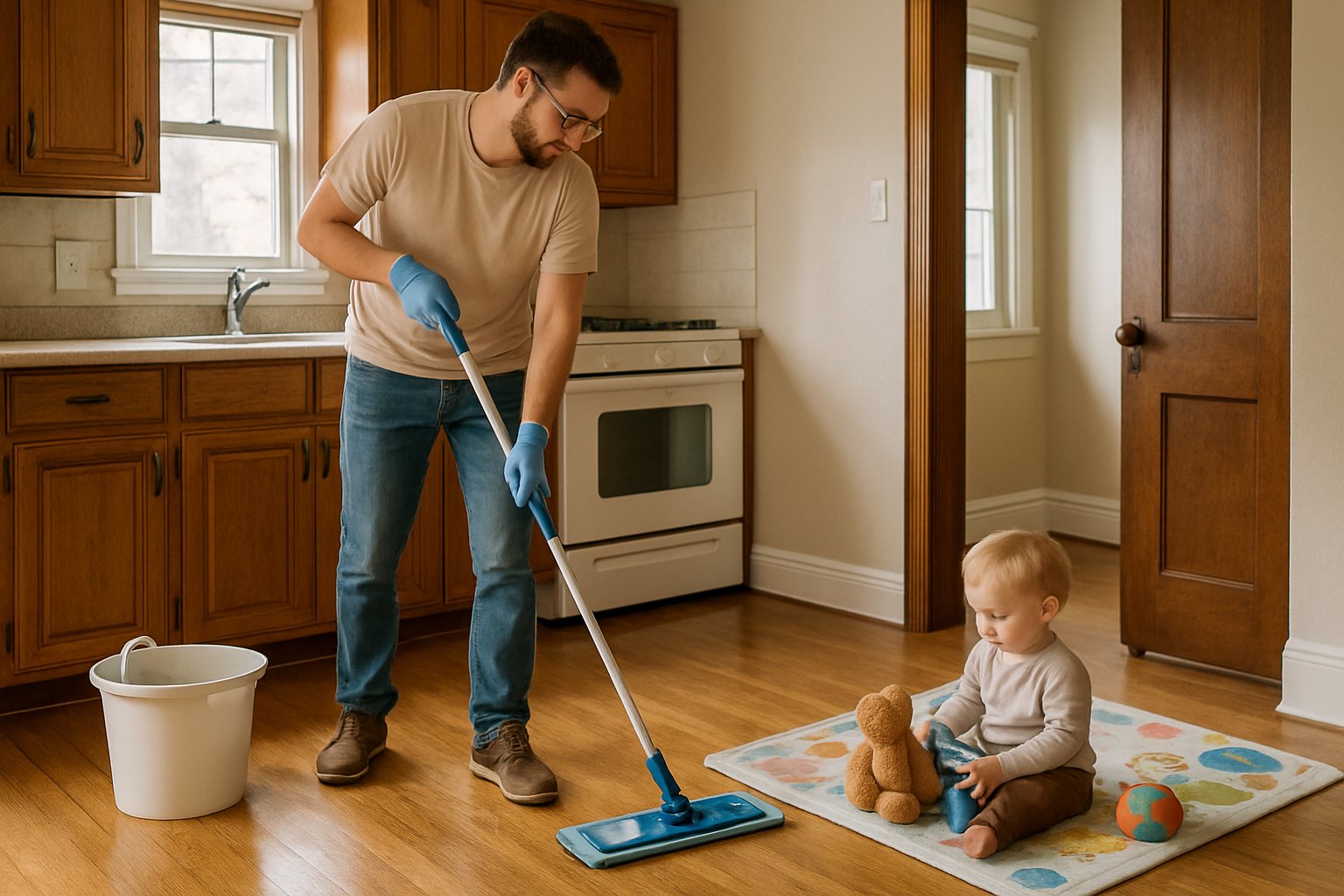
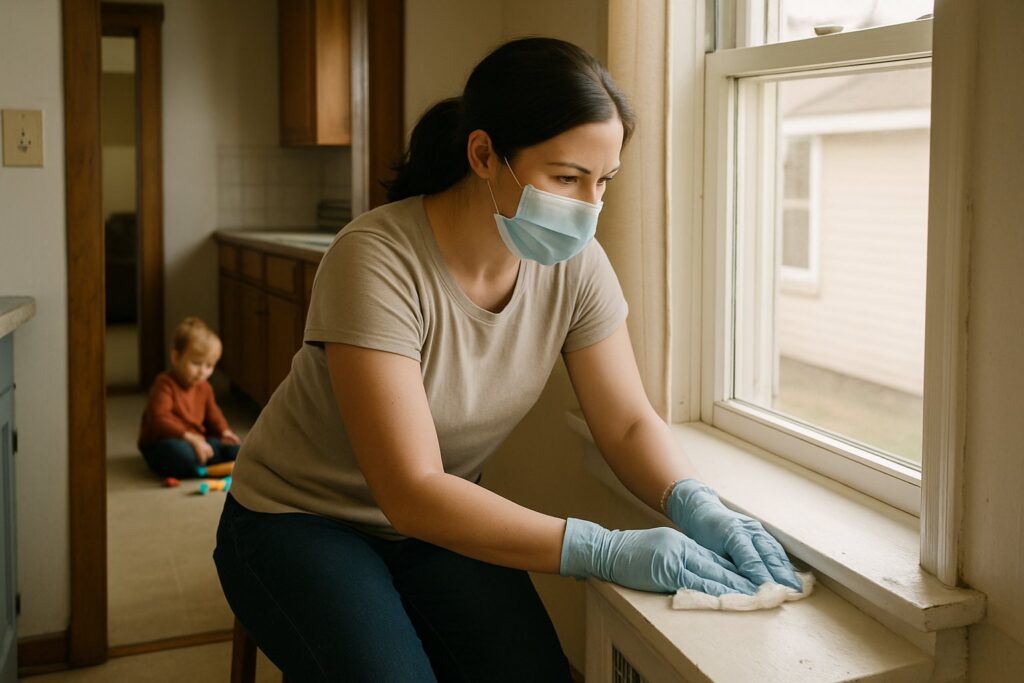
- Keep dust down. Wet-mop floors and wipe windowsills and other flat surfaces with warm water and an all-purpose cleaner. Never mix ammonia and bleach.
- Wash hands and toys. Wash children’s hands before eating and sleeping and after playing outside; wash toys often.
- Block access to peeling paint. Keep children away from chipping paint and chewable painted surfaces such as windowsills.
- Renovate safely. Hire RRP-certified firms for work in pre-1978 homes and keep children and pregnant women away until cleanup is done.
- Test and manage your water. Use cold water for drinking, cooking and formula, and test if you may have lead pipes.
- Shoes off, doormats down. Reduce soil and dust tracked indoors.
- Leave work lead at work. Follow the NIOSH steps above.
- Watch recalls. Check FDA and CPSC warnings for spices, remedies, cosmetics, dishes and toys.
- Test children. Ask your child’s doctor about a blood lead test. Medicaid requires testing at 12 and 24 months; see lead and children.
Frequently asked questions
What is the most common cause of lead poisoning?
In the US, lead dust, mostly from old lead-based paint. The CDC names lead dust as the most common source for young children, and NIEHS calls it the most common way people are exposed.
Can you get lead poisoning from touching lead?
Mostly through what reaches your mouth afterward. ATSDR says skin absorption of common lead compounds is much less efficient than swallowing or breathing them. Wash your hands after handling lead and before eating.
Does boiling water remove lead?
No. The EPA says boiling does not remove lead. Use cold water, test it, and use a filter certified for lead if needed.
Is lead paint dangerous if it is not peeling?
The EPA says lead paint in good condition is usually not a hazard, but paint on windows, doors and other rubbing surfaces can make dust, and any sanding or scraping releases it. Test before you renovate.
What should I do if I think my family was exposed?
Ask your doctor or local health department about a blood lead test. If someone may have swallowed something with lead, call Poison Control at 1-800-222-1222; for severe symptoms, call 911. Then find and fix the source.