
Lead poisoning treatment starts with finding the lead and getting the person away from it. For most children and adults with lead in their blood, the CDC’s guidance for health care providers centers on removing the source, repeat blood tests, a healthy diet and close follow-up, with medicine to pull lead from the body (chelation) kept for very high levels and given only by medical professionals.
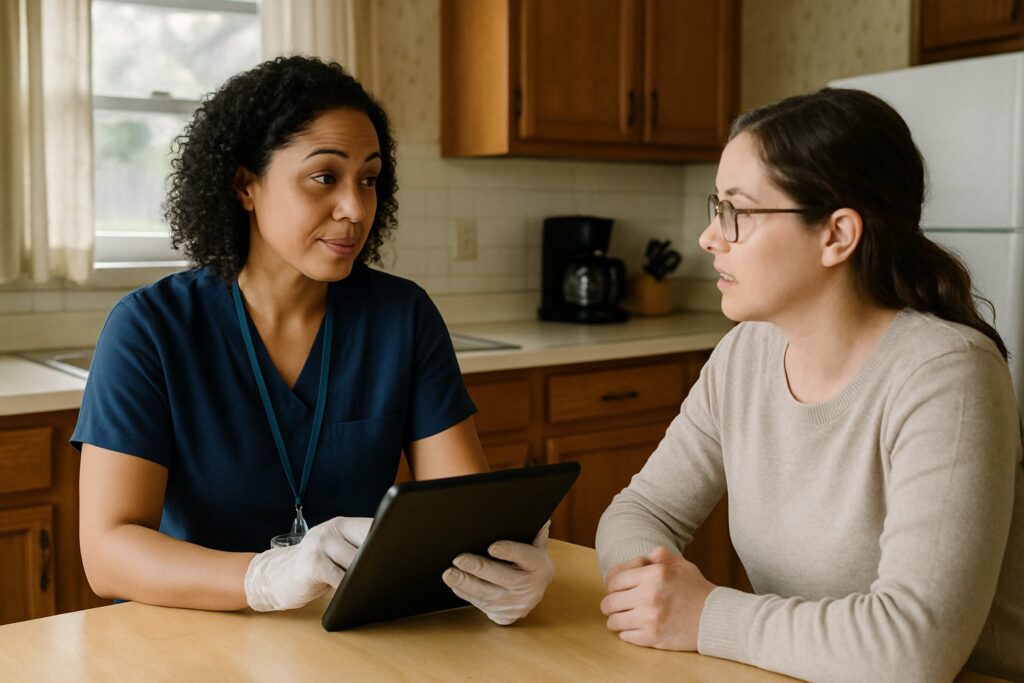
In short: there is no home treatment for lead poisoning. If a blood test shows lead, a doctor and often the local health department will look for where it came from, schedule follow-up tests, check diet and development, and in some cases send an inspector to the home. At very high levels, the CDC tells providers to consider hospital care and to consult a medical toxicologist about treatments such as chelation. If you are worried about lead exposure, call your doctor, your local health department or Poison Control at 1-800-222-1222. Call 911 for severe symptoms such as a seizure.
This page explains what the CDC and its toxic-substances agency ATSDR publish for health care providers. It is not medical advice, and it is not a plan you can follow at home. Only a health care provider who knows the patient can decide on care.
Step one: find the lead and remove it
Lead does not leave the body while new lead keeps coming in. That is why every level of the CDC’s recommended actions includes looking for the source. The CDC tells parents that when a child’s blood lead level is above its reference value, follow-up services can include finding and removing lead from the child’s environment, a diet high in iron and calcium, early educational services and follow-up blood testing. The CDC also describes primary prevention, removing lead hazards from the environment before a child is exposed, as the most effective way to protect children. Our lead poisoning hub sums up what the CDC, NIEHS and WHO say about why.
ATSDR, the CDC’s sister agency for toxic substances, says medical and environmental steps should happen at the same time to best protect a child, and that providers should start a prompt investigation for the source of exposure. In practice, the source is often in the home: deteriorating paint and the dust it makes, water from lead pipes, bare soil, a parent’s work clothes, or an imported spice, remedy or cosmetic. Our guides to lead paint testing, lead in water testing, dust and soil testing and lead in household items explain how each one is checked.
Do not try to strip or sand old paint yourself to “get rid of” the lead. The EPA warns that renovation can create large amounts of lead dust, and that lead abatement should be done by certified professionals. Find one through our lead professional directory.
What the CDC recommends at each blood lead level
The CDC publishes a table of recommended actions for children’s blood lead levels, measured in micrograms per deciliter (µg/dL). Its blood lead reference value is 3.5 µg/dL, the level that marks the top 2.5% of US children aged 1 to 5. The reference value is a screening tool, not a safe line: the CDC says no safe blood lead level in children has been identified. Each row below includes all the actions in the rows above it. We summarize the CDC’s provider guidance as published on its “Recommended Actions Based on Blood Lead Level” page (dated August 21, 2025).
| Blood lead level (µg/dL) | What the CDC tells providers to do |
|---|---|
| Below 3.5 | Teach families about lead sources and prevention; check development, diet and nutrition at well-child visits; repeat testing at intervals based on age and risk. |
| 3.5 to 19 | All of the above, plus: report to the state or local health department; take an environmental exposure history; arrange an environmental investigation as required where you live; test for and treat iron deficiency; review diet with a focus on calcium and iron; check development and refer for services as needed; schedule follow-up blood tests. |
| 20 to 44 | All of the above, plus: a full history and physical exam looking for signs of lead exposure; arrange or refer for an environmental investigation and lead hazard reduction; consider an abdominal X-ray to look for swallowed lead chips or objects; consult a Pediatric Environmental Health Specialty Unit (PEHSU) or Poison Control. |
| 45 or higher | All of the above, plus: a detailed neurological exam; abdominal X-ray and, if needed, bowel decontamination; hospital admission if the child has symptoms, or if the home is not lead-safe or the source is unknown; consultation with a medical toxicologist or a pediatrician experienced in lead poisoning about decontamination or chelation. |
A finger-prick (capillary) result at or above the reference value is confirmed with a blood draw from a vein, because lead on the skin can make a finger-prick read high. The higher the first result, the sooner the CDC wants that confirmation: within 3 months for 3.5 to 9 µg/dL, within 1 month for 10 to 19, within 2 weeks for 20 to 44, and within 48 hours for 45 or more. Our blood lead test guide explains the two kinds of test and what a result means.
Case management and the health department
Once a child’s blood lead level is at or above the reference value, the CDC tells providers to report it to the state or local health department. Many health departments then run what is called case management: a nurse or case worker follows the child, helps the family find and fix the source, and makes sure repeat tests happen. What the health department does, and at what level, is set by each state or city. The CDC’s guidance says environmental investigations should be arranged “as required,” because the rules differ from place to place. It also notes that in housing covered by HUD’s Lead Safe Housing Rule, an investigation may not be triggered below 5 µg/dL.
An environmental investigation usually means a trained inspector or risk assessor visits the home to look for paint, dust, soil and water hazards, and asks about jobs, hobbies, foods, spices, remedies and cosmetics. If you rent, tell your health department and your landlord; if you own, the investigator’s report tells you which hazards need professional work. For the difference between an inspection and a risk assessment, see lead paint inspection.
Nutrition: what the CDC says
The CDC’s advice on food is short and specific: for a child with a blood lead level above the reference value, it lists “a diet high in iron and calcium” among the follow-up services a doctor may recommend. For providers, it adds testing for and treating iron deficiency, reviewing the child’s diet with a focus on calcium and iron, and referring families to nutrition programs such as WIC.
A good diet supports a child’s health while the source is removed. It is not a treatment that removes lead, and it does not make lead exposure safe. Do not give a child iron, calcium or any other supplement for lead unless the child’s own doctor tells you to; the CDC’s guidance has the provider test for iron deficiency first.
Chelation: only for high levels, only by medical professionals
Chelation therapy uses prescription medicine that binds to lead so the body can get rid of it. The CDC says that if a child does have high levels of lead in the blood, they may receive chelation therapy, and its provider guidance places it at 45 µg/dL and above, decided together with a medical toxicologist or a pediatrician experienced in lead poisoning. ATSDR adds that 45 µg/dL is a guideline rather than a fixed threshold, that professional judgment should guide the decision for a child or an adult, and that chelation is not risk free.
We describe chelation only so you know what a doctor may talk about. It is a hospital or specialist treatment. Products sold online as “detox” or “chelation” for lead are not the same thing, and no official source we use recommends them. If anyone suggests a home lead detox, talk to your doctor or call Poison Control at 1-800-222-1222 first.
Follow-up blood tests
Treatment is measured with repeat blood tests. The CDC’s schedule for children after a confirmed venous result is:
| Venous blood lead level (µg/dL) | Early follow-up | Later follow-up, once levels are falling |
|---|---|---|
| 3.5 to 9 | 3 months | 6 to 9 months |
| 10 to 19 | 1 to 3 months | 3 to 6 months |
| 20 to 44 | 2 weeks to 1 month | 1 to 3 months |
| 45 or higher | As soon as possible | As soon as possible |
The CDC notes that blood lead levels can change with the seasons, and that more time outdoors in summer may call for more frequent checks. ATSDR lists reasons a level may rise again: a source nobody has found yet, incomplete repairs, a hazard that was not controlled, or lead stored in the body moving back into the blood. A level that will not come down is a signal to look again, not a reason to give up.
Adults and pregnancy
For adults, most elevated blood lead comes from work, according to NIEHS, in jobs such as construction, mining, welding and battery manufacturing. NIOSH, the CDC’s worker-safety institute, asks people who work with lead to tell their doctor, and describes steps at work, such as changing clothes and showering before going home, that protect both the worker and the family. ATSDR says professional judgment should guide any decision to chelate an adult.
Lead stored in the bones can move into the blood during pregnancy and reach the baby, the CDC says. If you are pregnant or breastfeeding and think you may have been exposed, talk to your health care provider. Do not start or stop anything on your own.
Why there is no home treatment
The CDC says the effects of lead poisoning can be permanent and disabling, and most children with lead in their blood have no obvious symptoms (see lead poisoning symptoms). Treatment cannot undo damage that has already happened, which is why the official focus is on stopping exposure early, supporting the child’s development and checking that levels fall. All of that runs through a doctor and the health department. What you can do at home is the prevention side: wet-clean dust, wash hands and toys, keep children away from peeling paint, use cold tap water for drinking and cooking, and test your home. Our guide to lead and children has the full CDC and EPA list.
Who to call
- 911 for severe symptoms such as a seizure, collapse or trouble breathing.
- Poison Control, 1-800-222-1222, if you think someone swallowed something with lead or you have urgent questions. It is free and answers around the clock.
- Your doctor or your child’s pediatrician for a blood lead test and follow-up.
- Your local health department for testing, case management and home investigations.
Frequently asked questions
Can lead poisoning be cured?
Blood lead levels can come down once the source is removed, and doctors can treat very high levels. But the CDC says some effects of lead can be permanent, so the goal is to stop exposure as early as possible. Ask your doctor what to expect for your situation.
How do you treat lead poisoning at home?
You don’t. There is no home treatment. At home, you can help by following the health department’s advice to remove lead sources, keeping dust down and making sure follow-up blood tests happen. Any medical treatment comes from a doctor.
At what level is chelation used?
The CDC’s guidance for children places it at 45 µg/dL and above, decided with a medical toxicologist or experienced pediatrician. ATSDR calls 45 a guideline, not a fixed rule. The decision belongs to the medical team.
How long does it take for blood lead levels to go down?
Official sources do not give one timeline; it depends on the level, how long the exposure lasted and whether the source is gone. That is why the CDC sets follow-up tests from 2 weeks to 9 months apart depending on the result.
Does eating well lower lead levels?
The CDC recommends a diet high in iron and calcium for children with elevated blood lead, alongside removing the source. Diet supports the child; it does not remove lead or replace medical follow-up. Don’t give supplements unless your doctor says so.
Who pays for testing and follow-up?
The CDC says many private insurance policies cover blood lead testing, and Medicaid covers it for enrolled children. Ask your health department about home investigations and local programs, which vary by state.
Leave a Reply